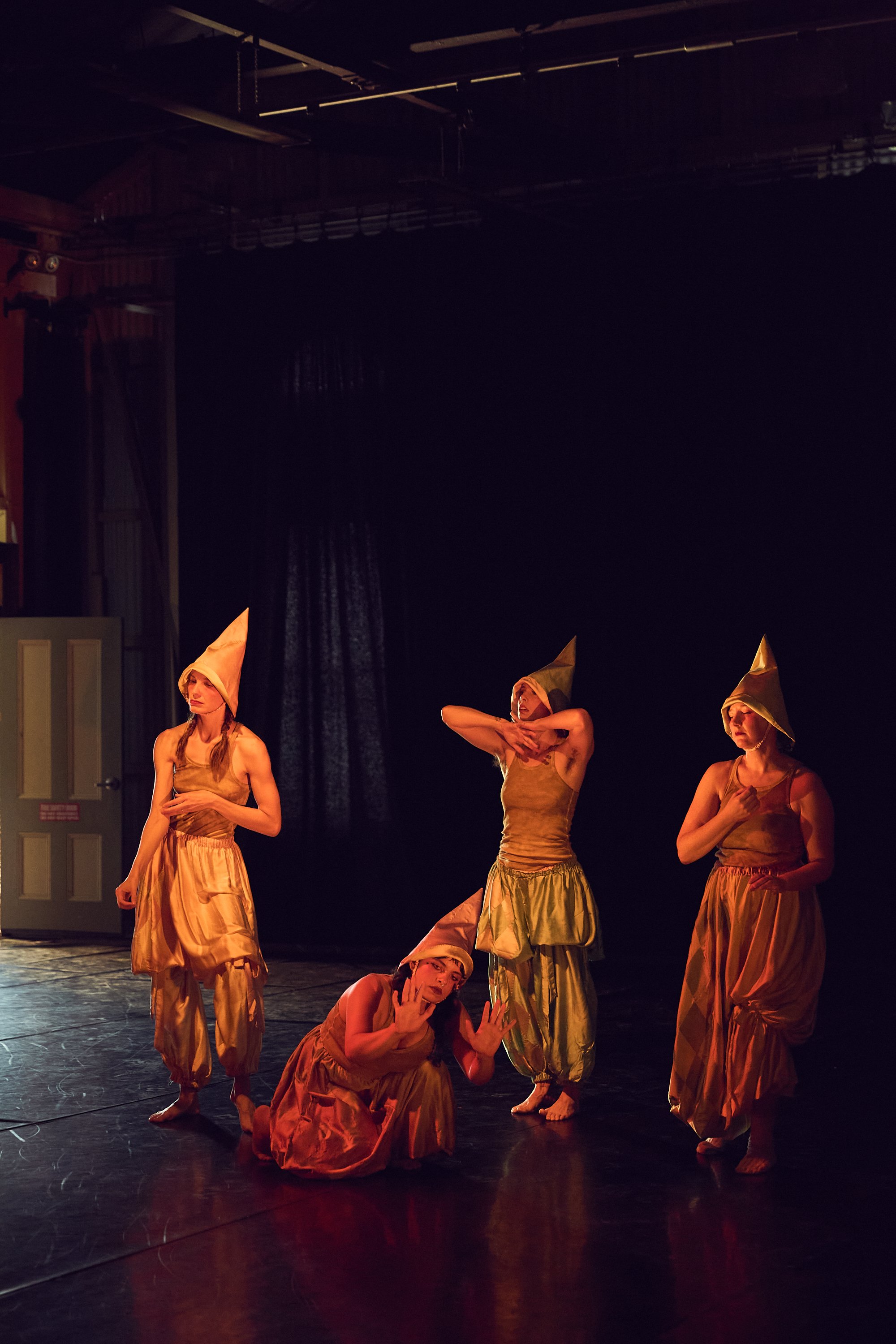
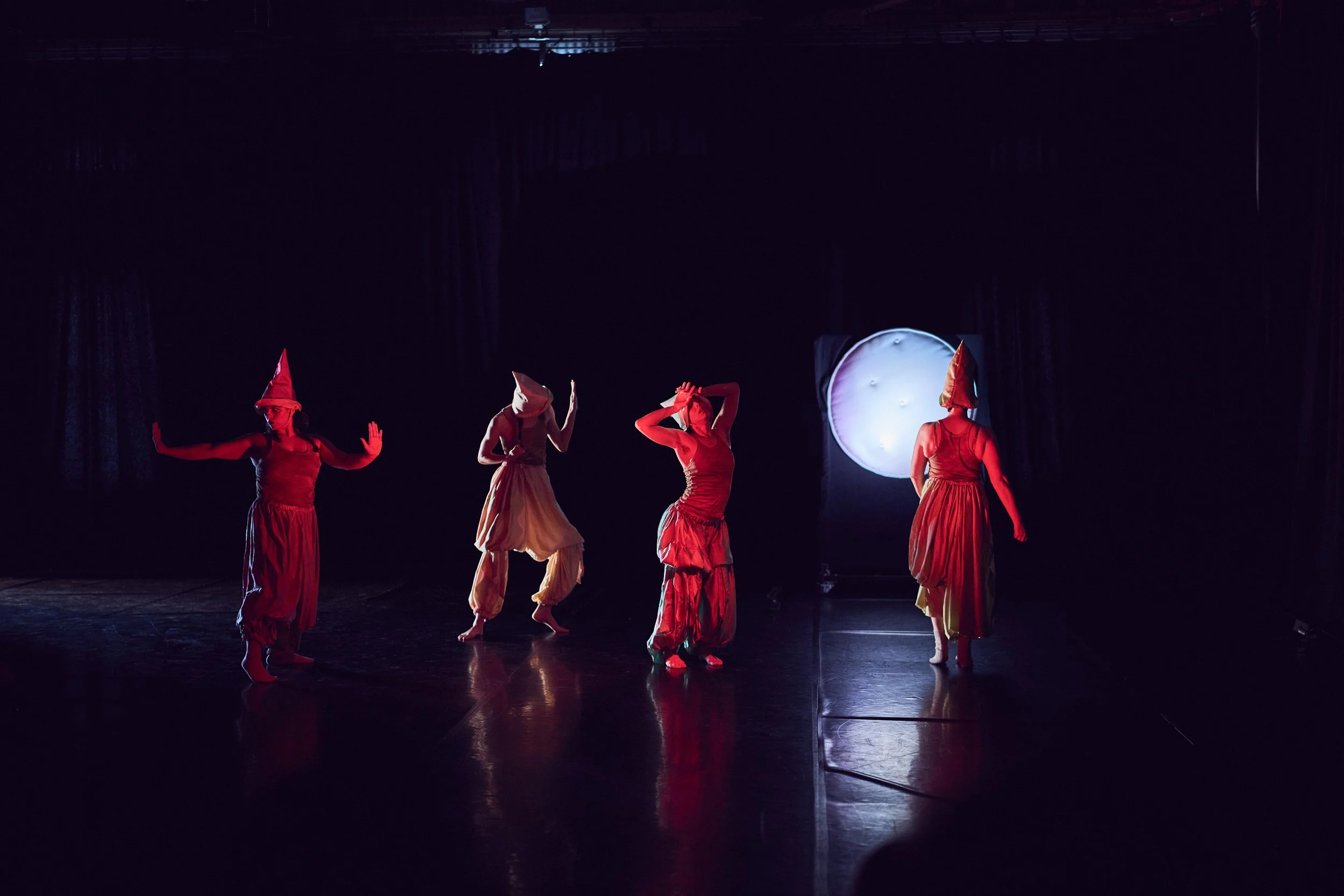
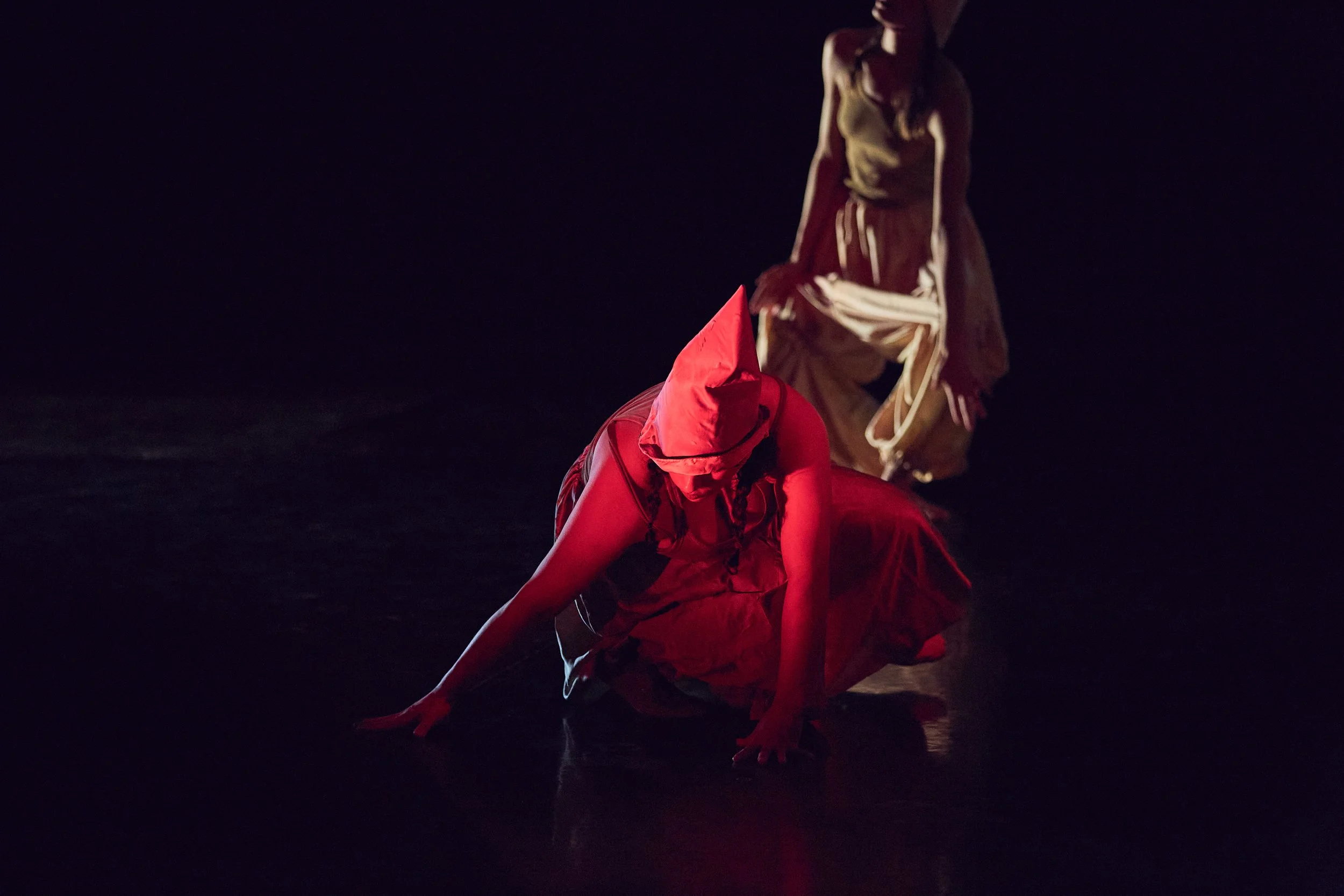
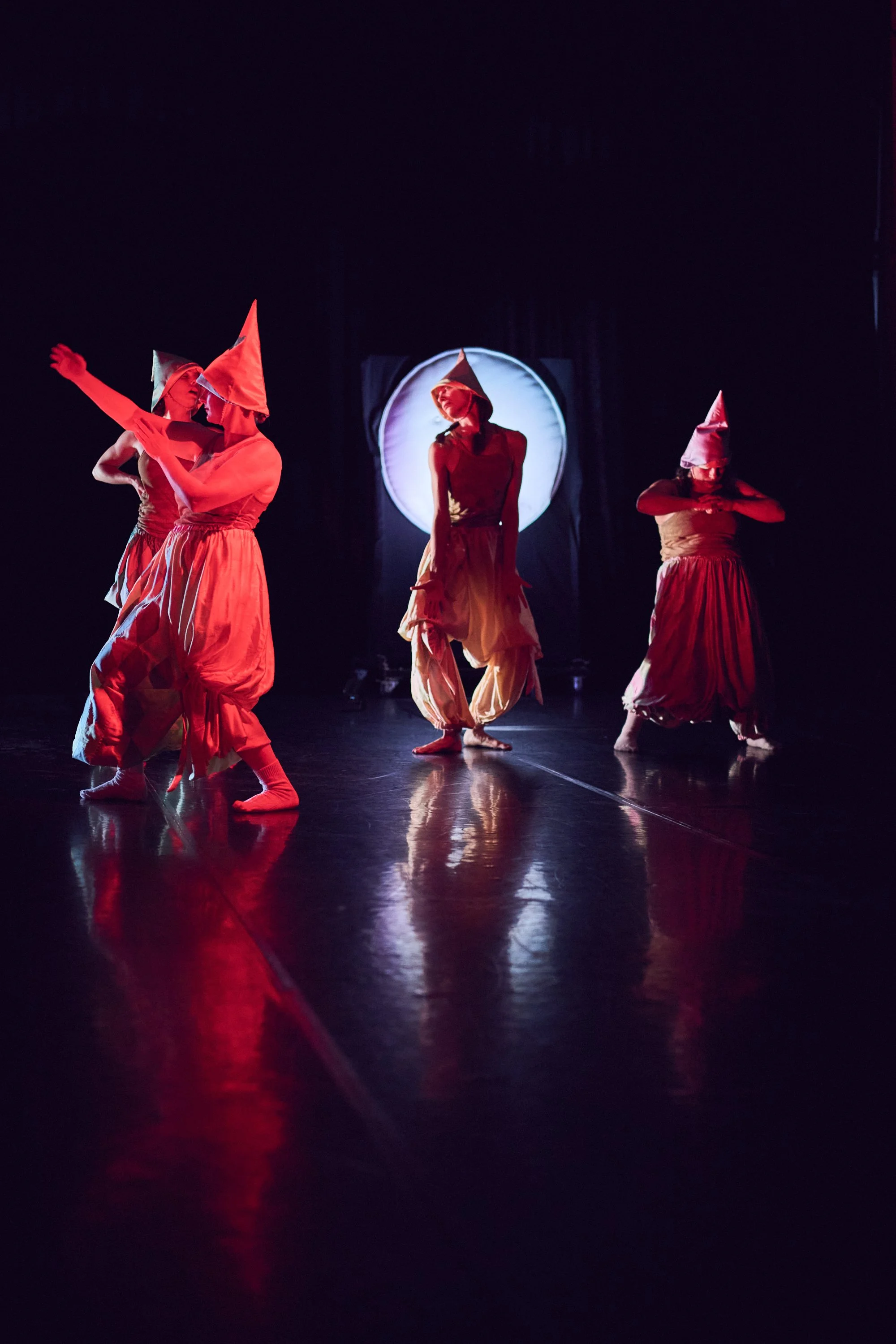
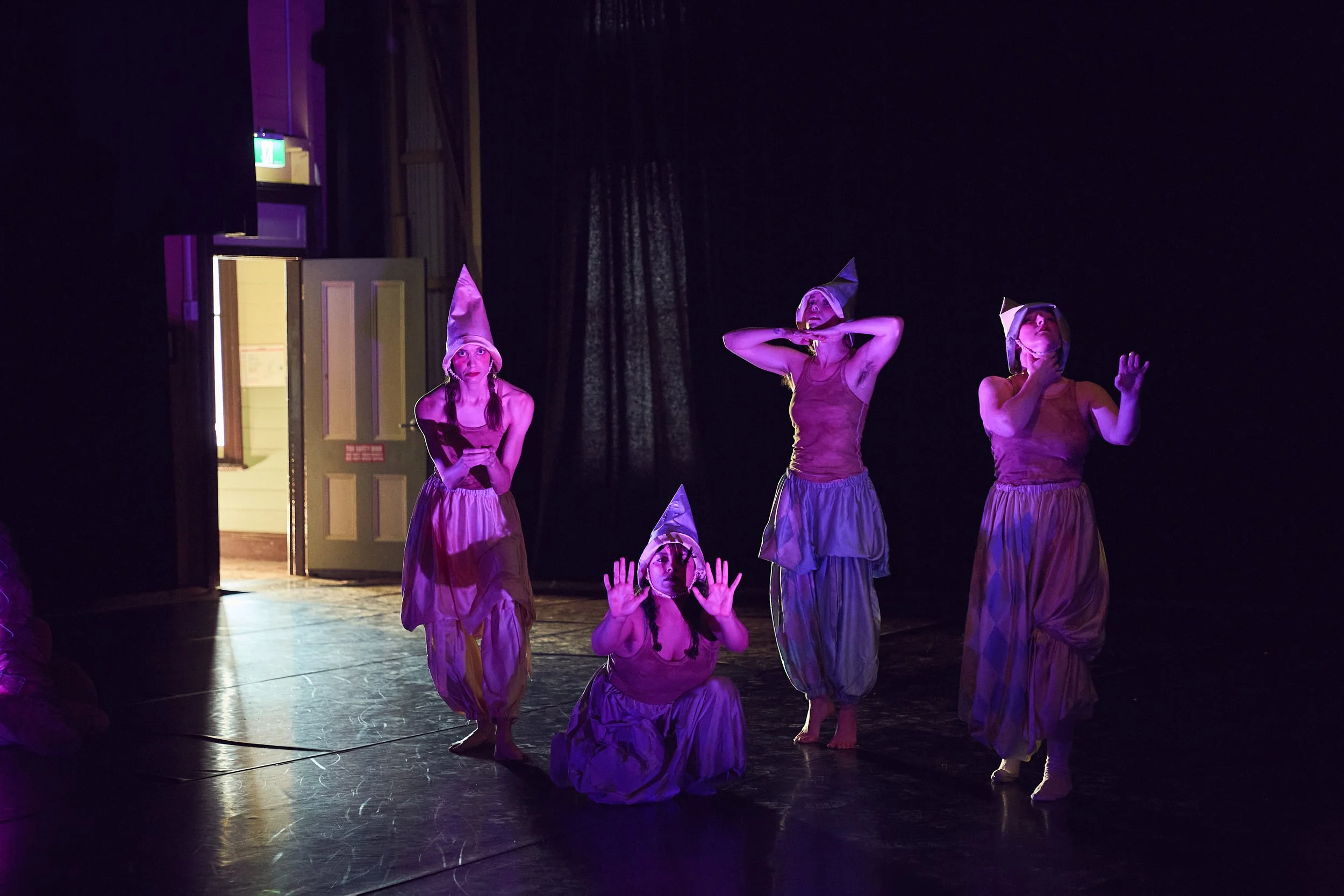
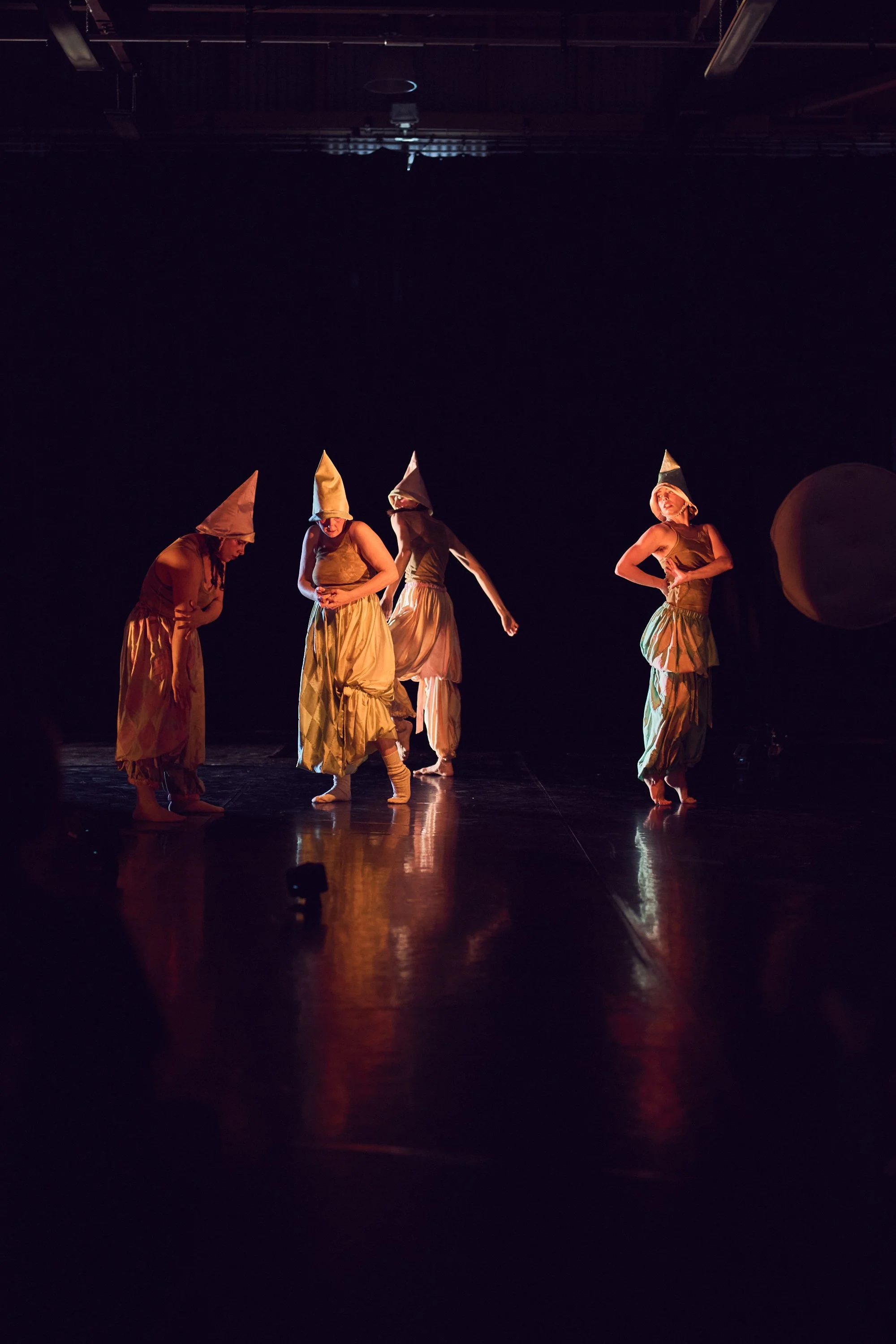
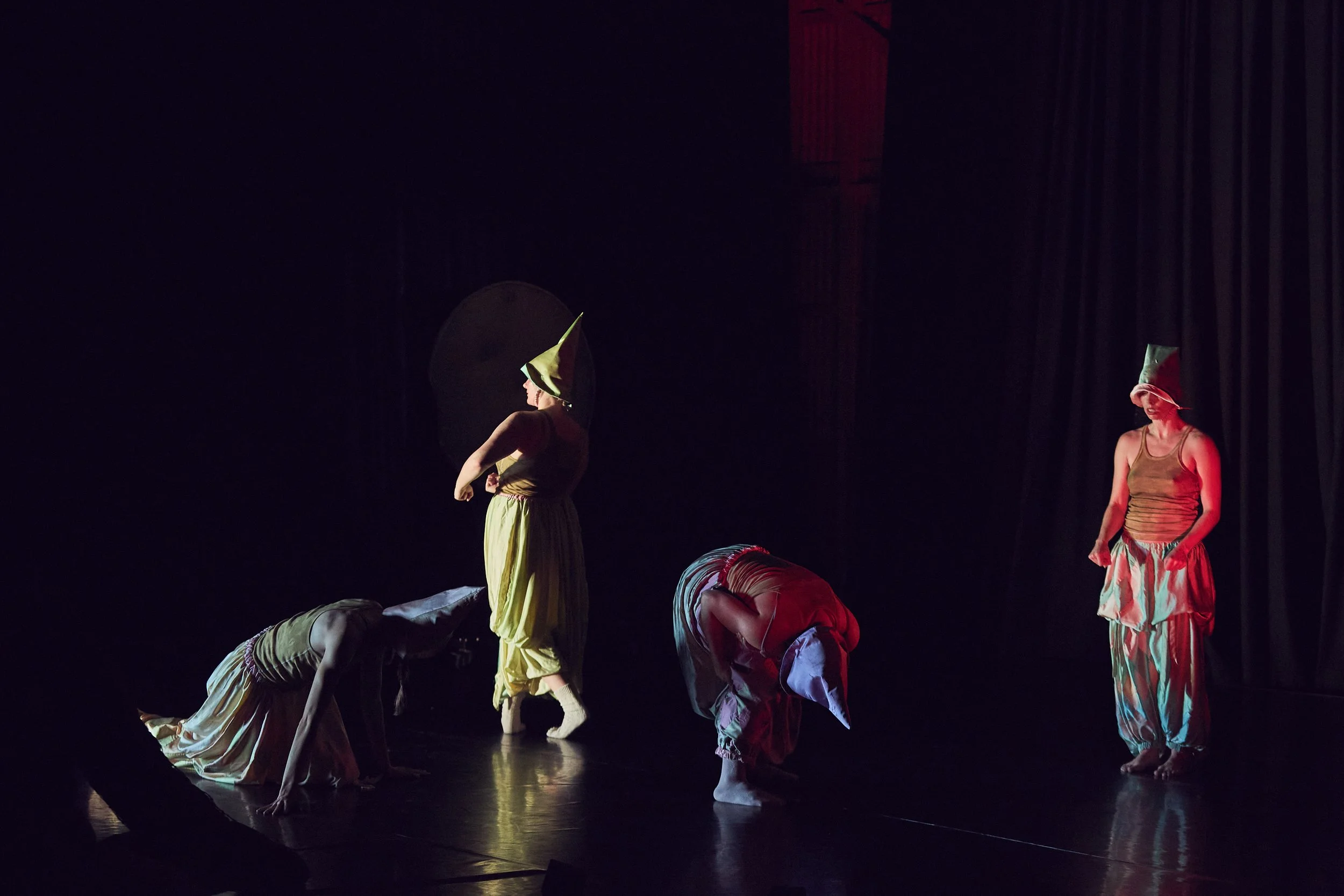
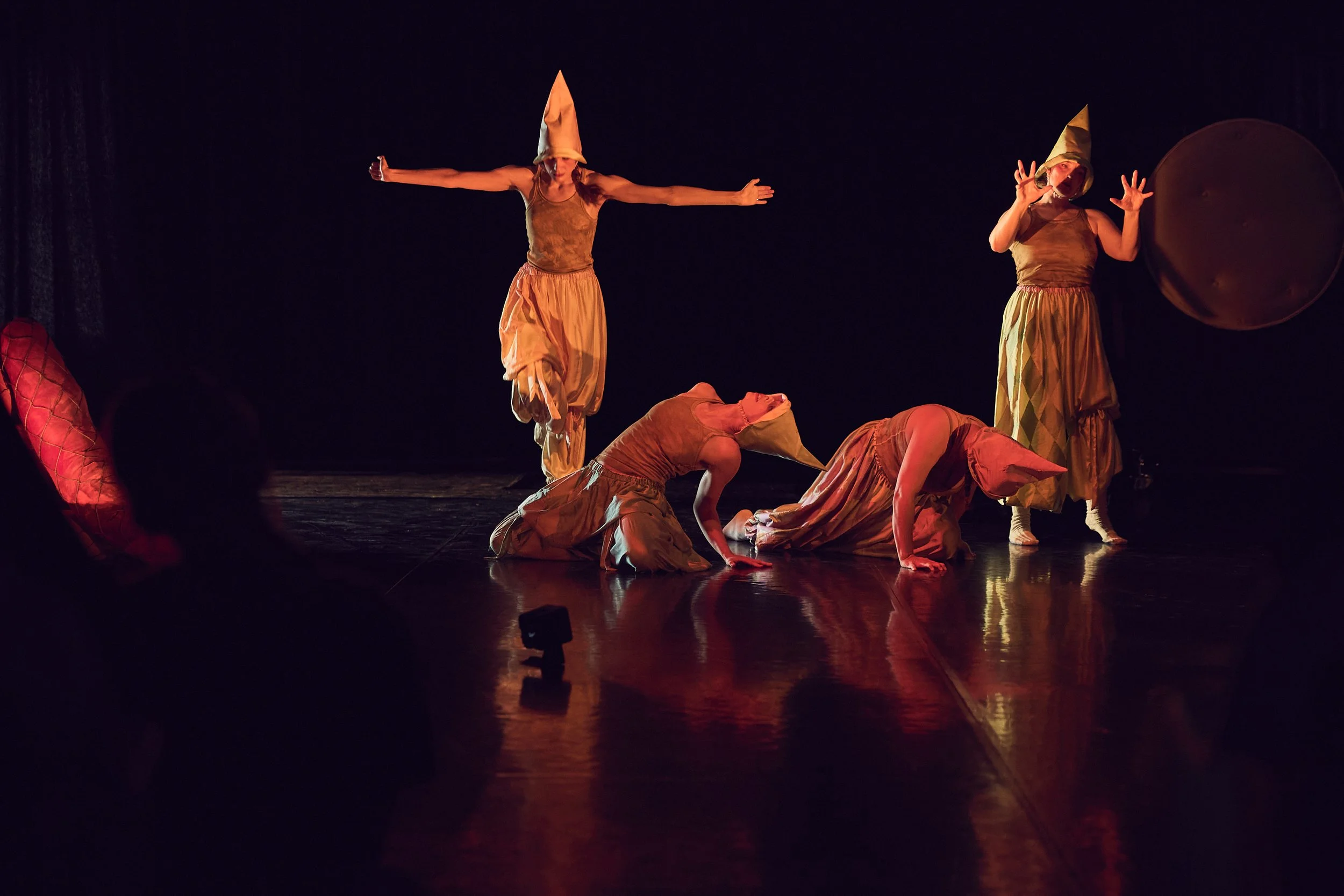
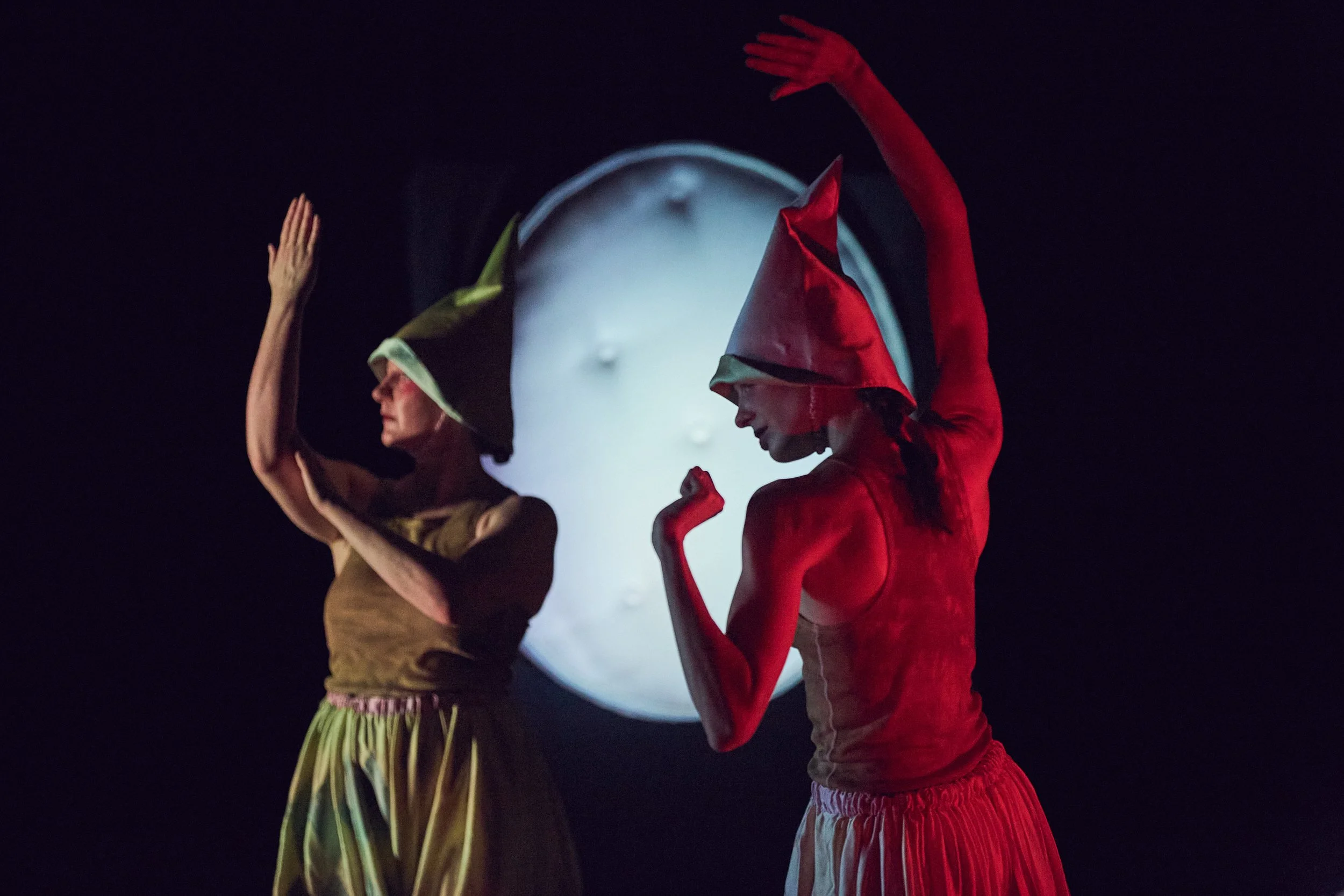
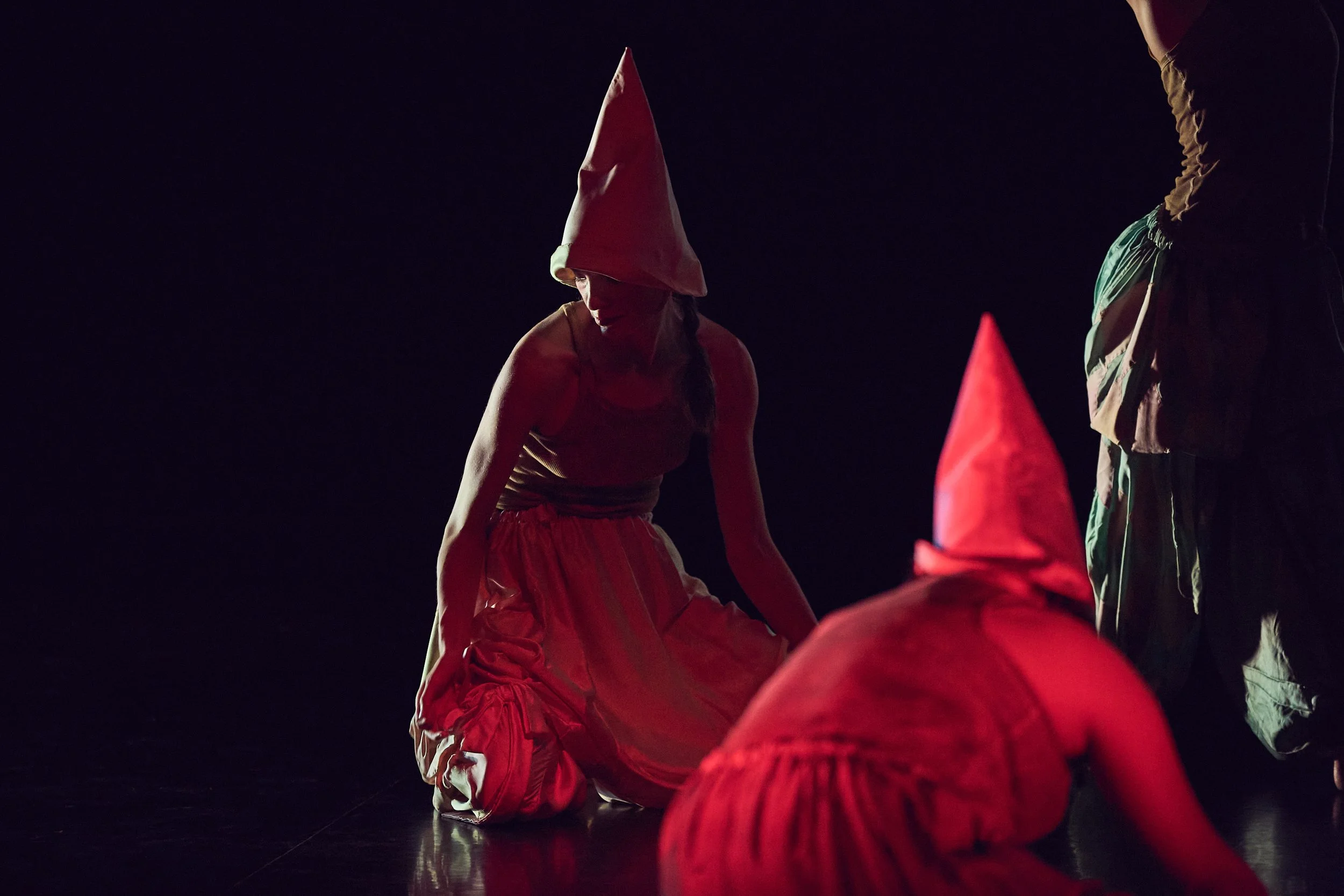
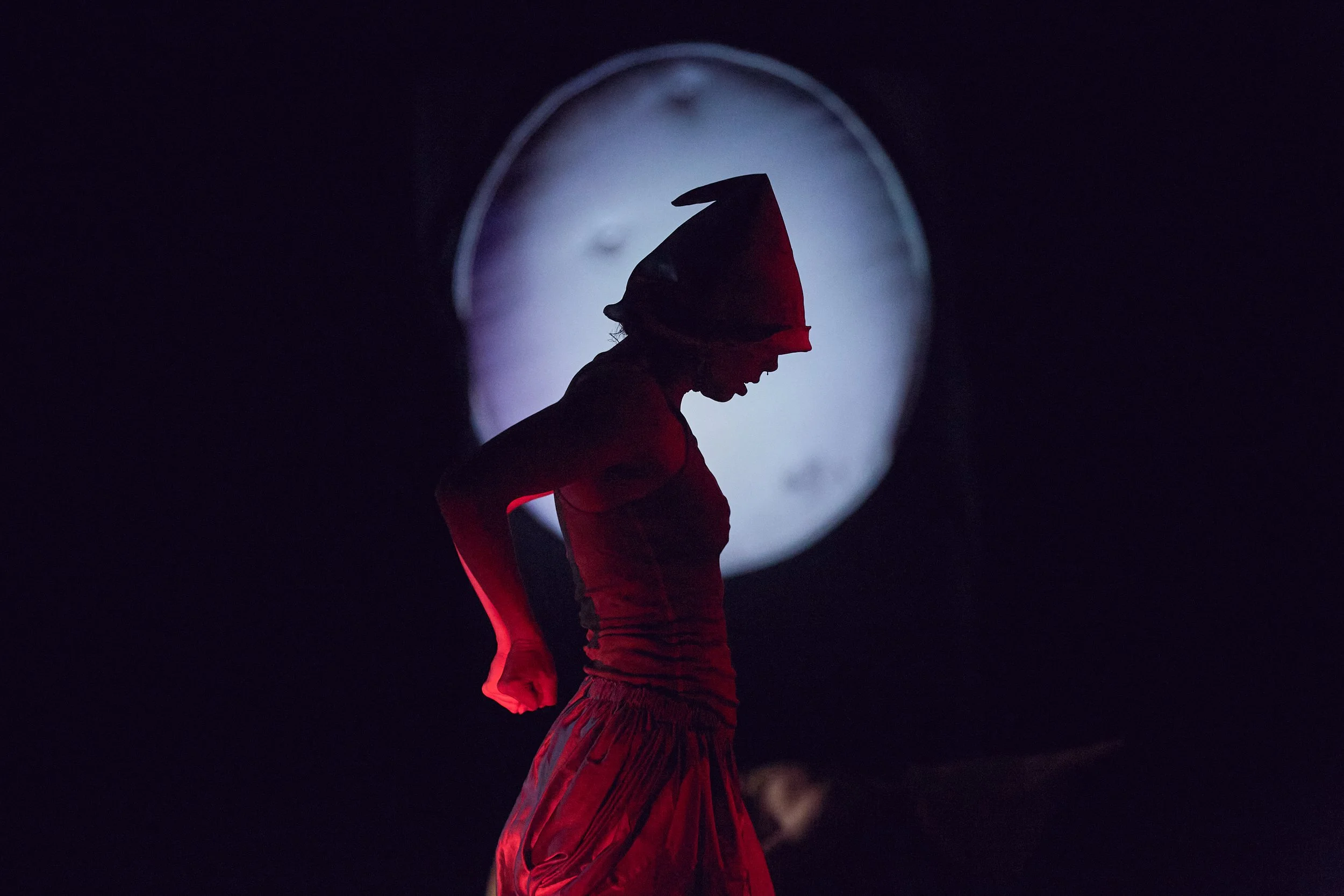
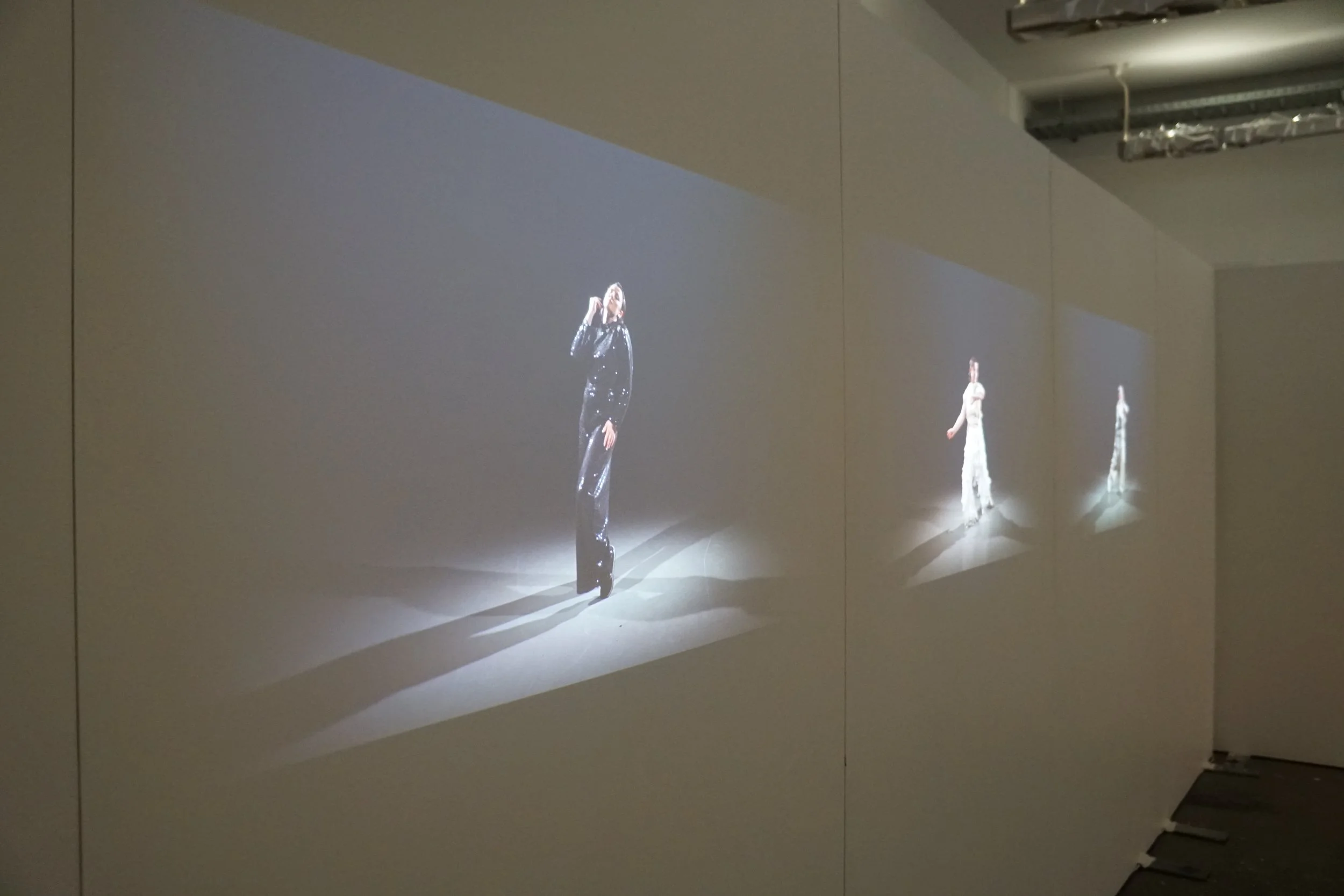
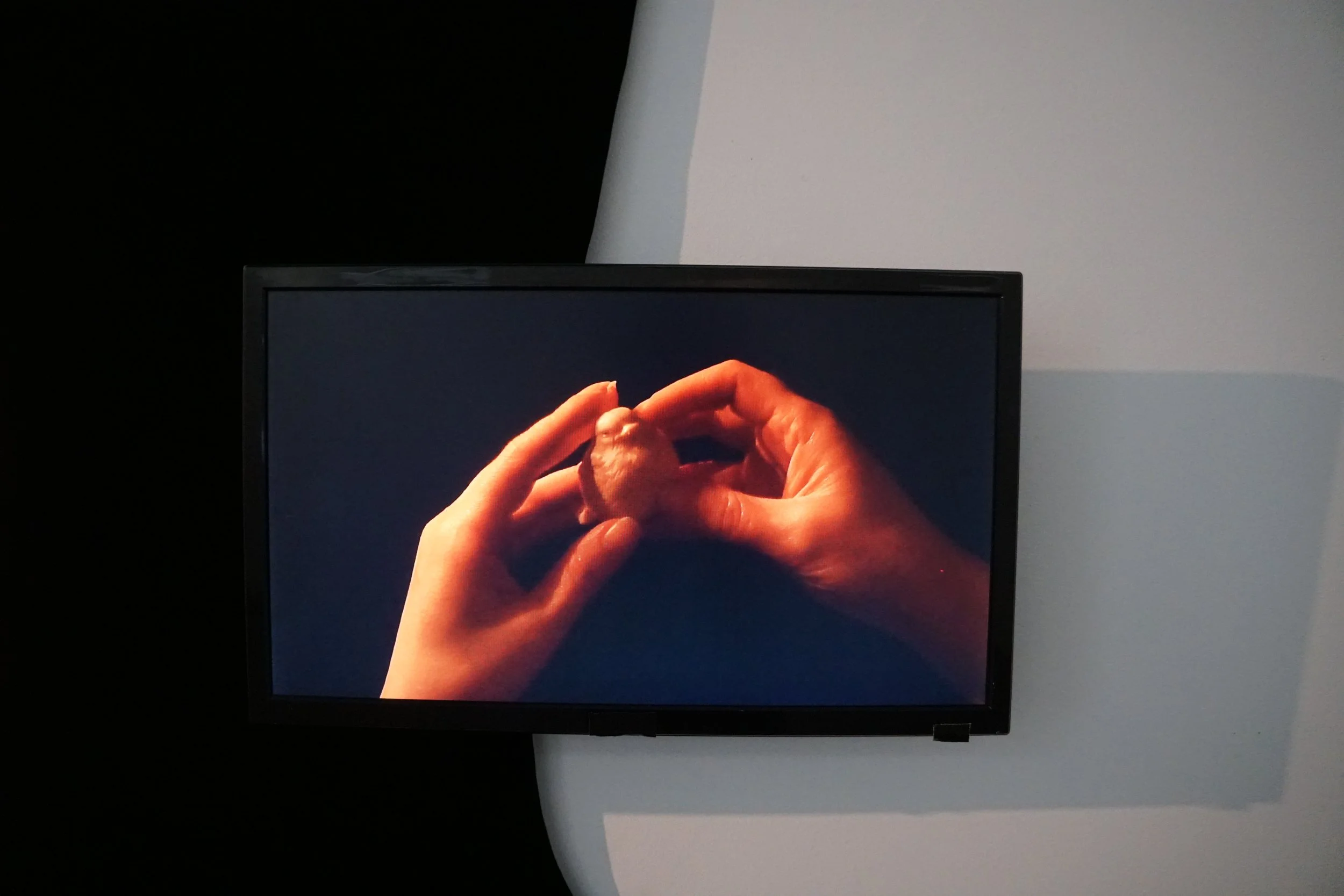
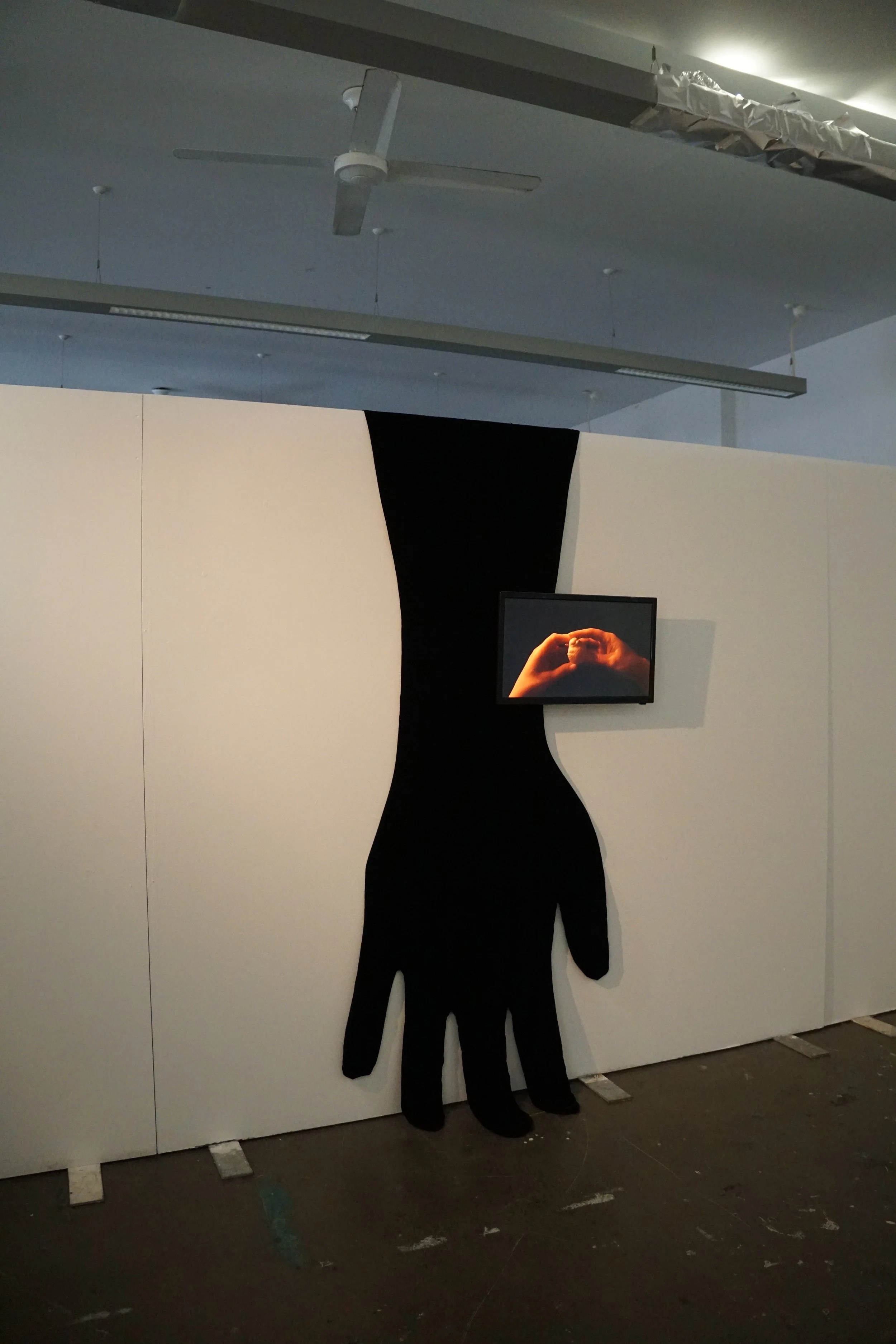
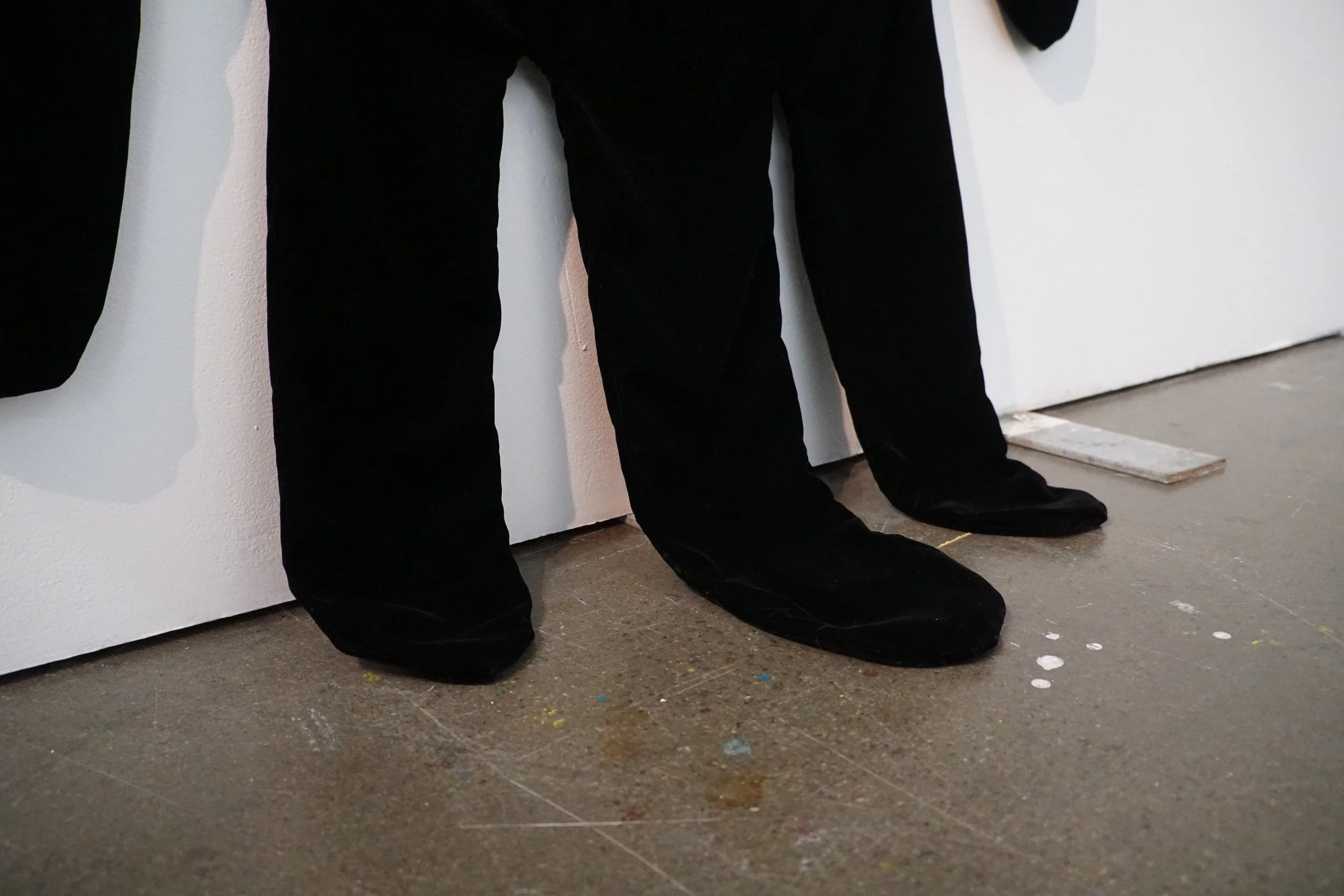
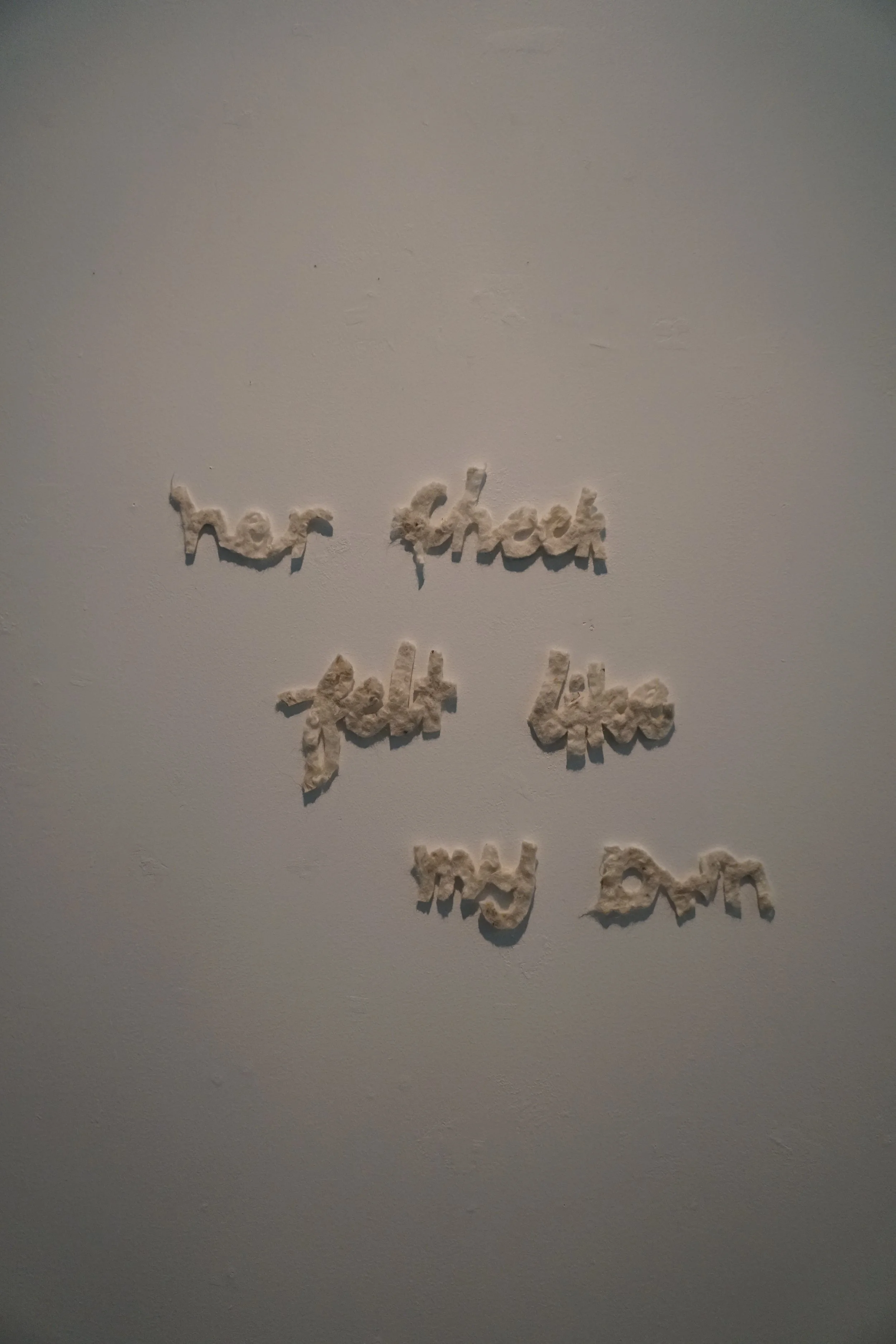
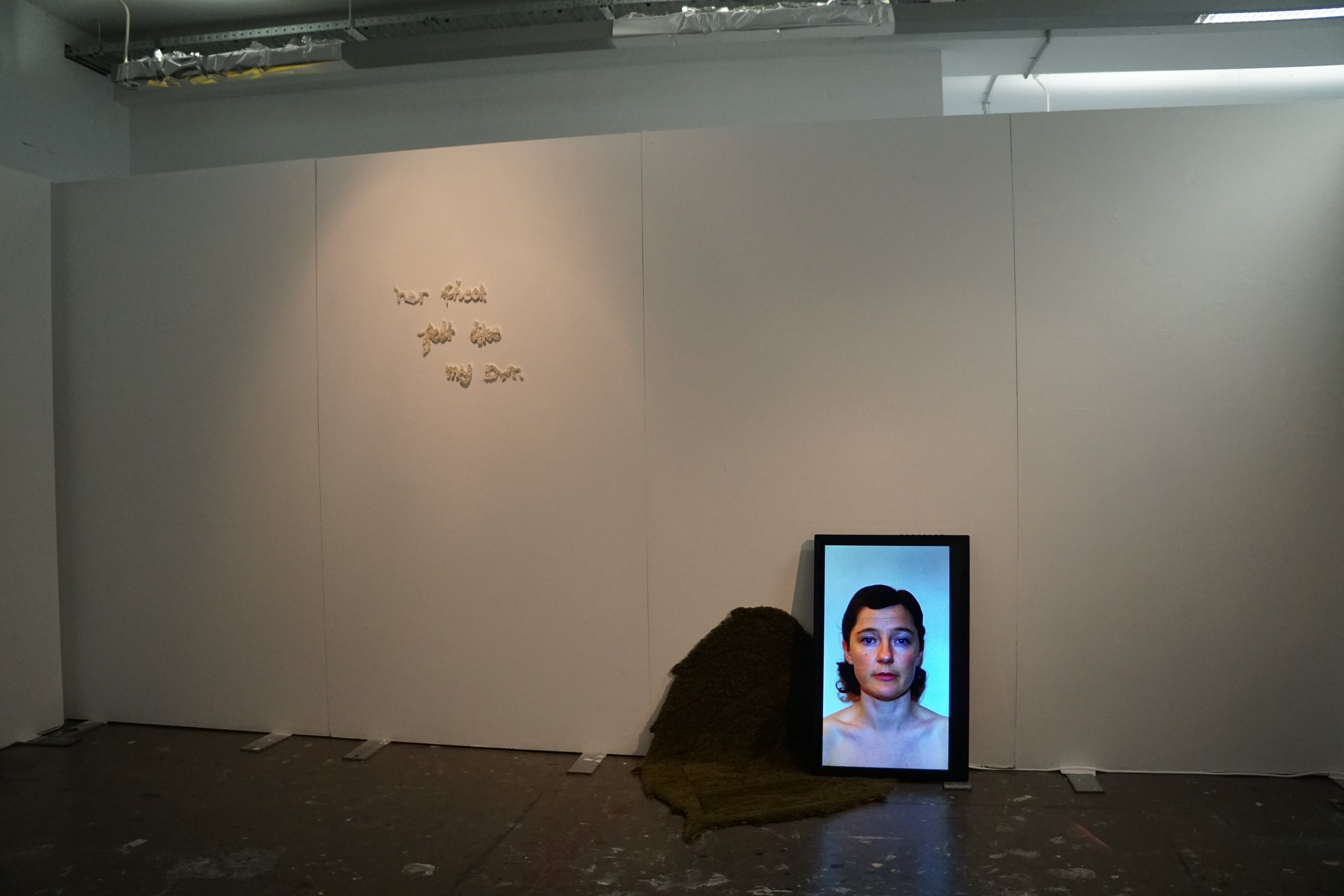
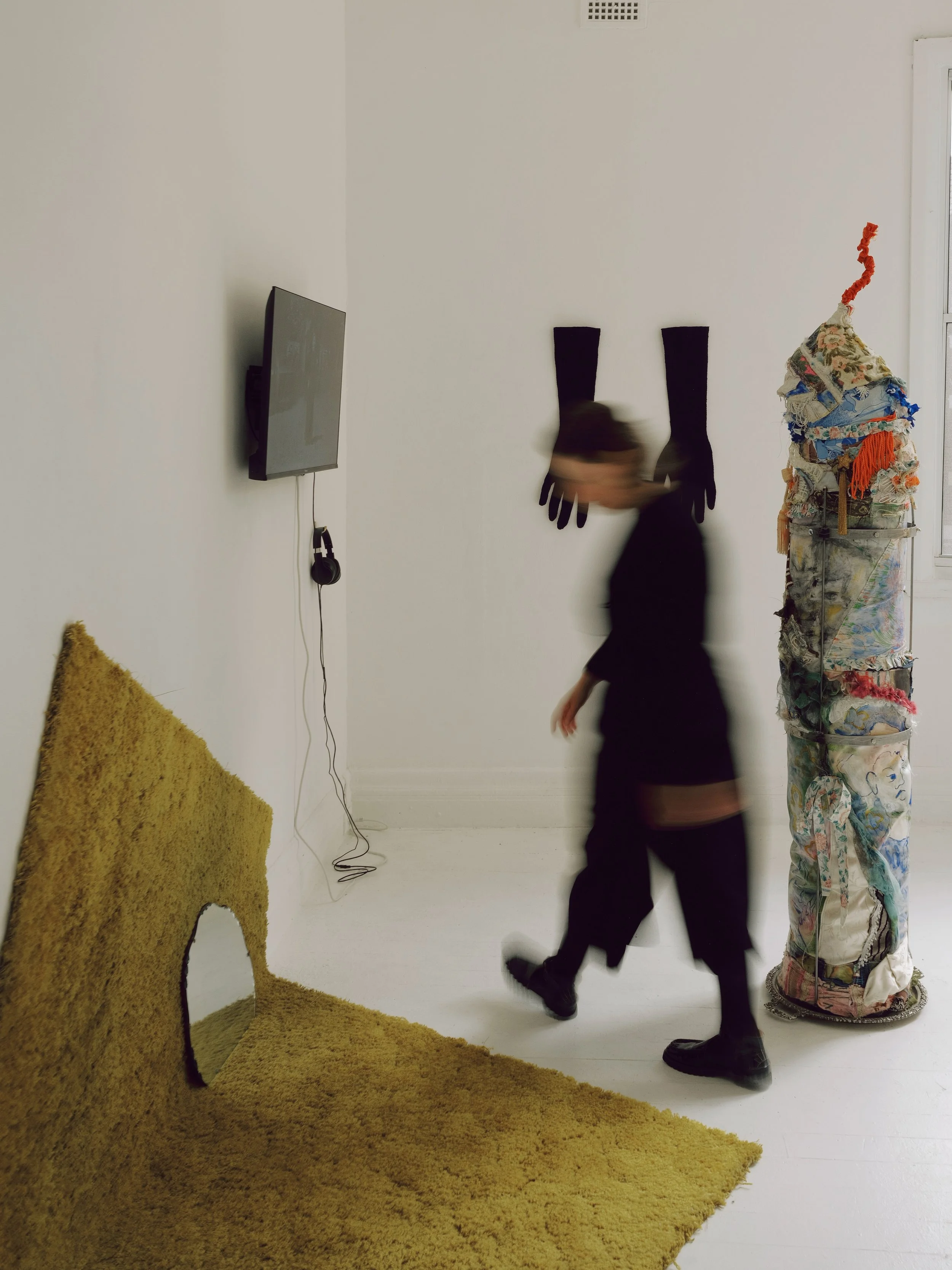
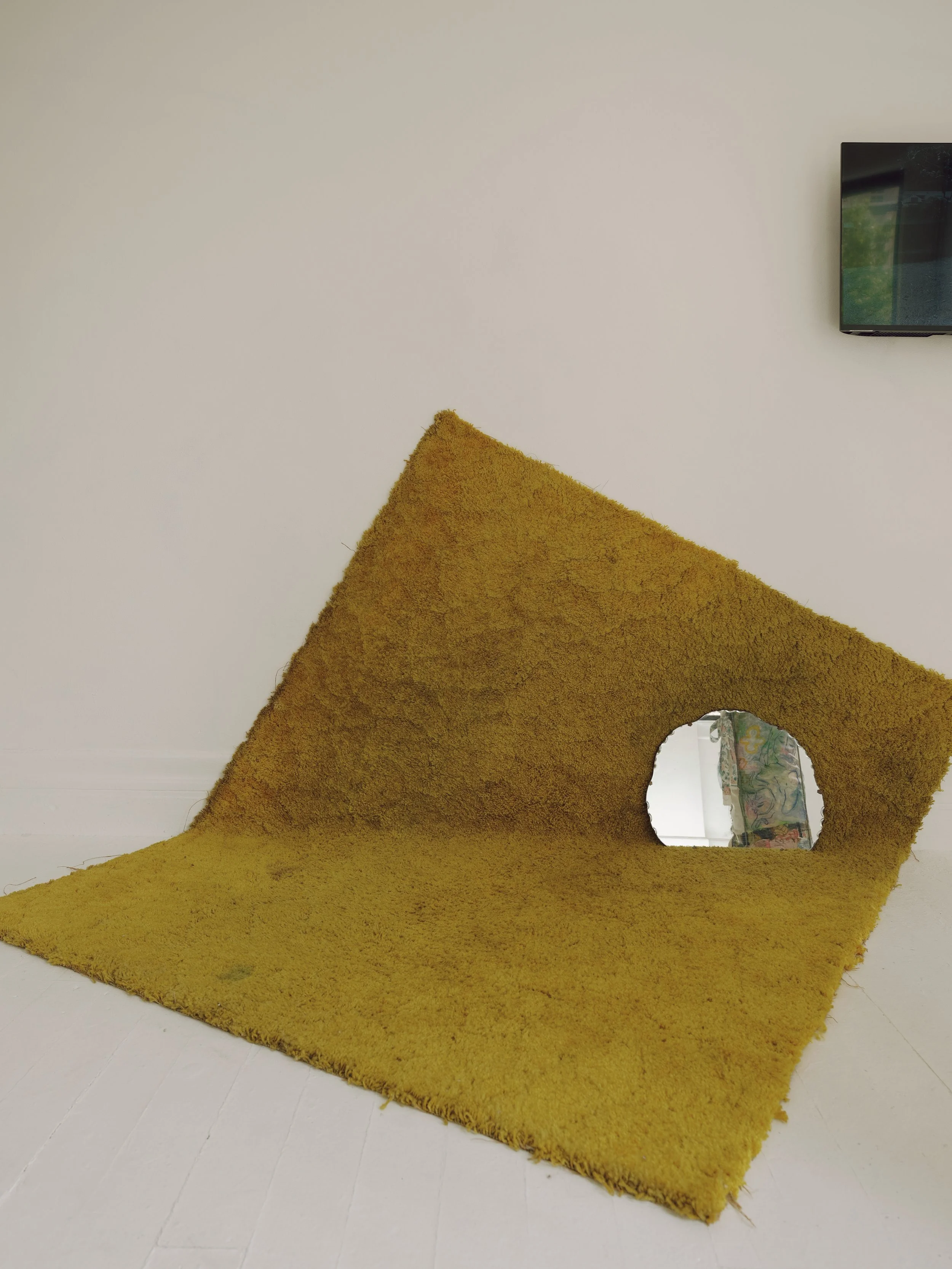
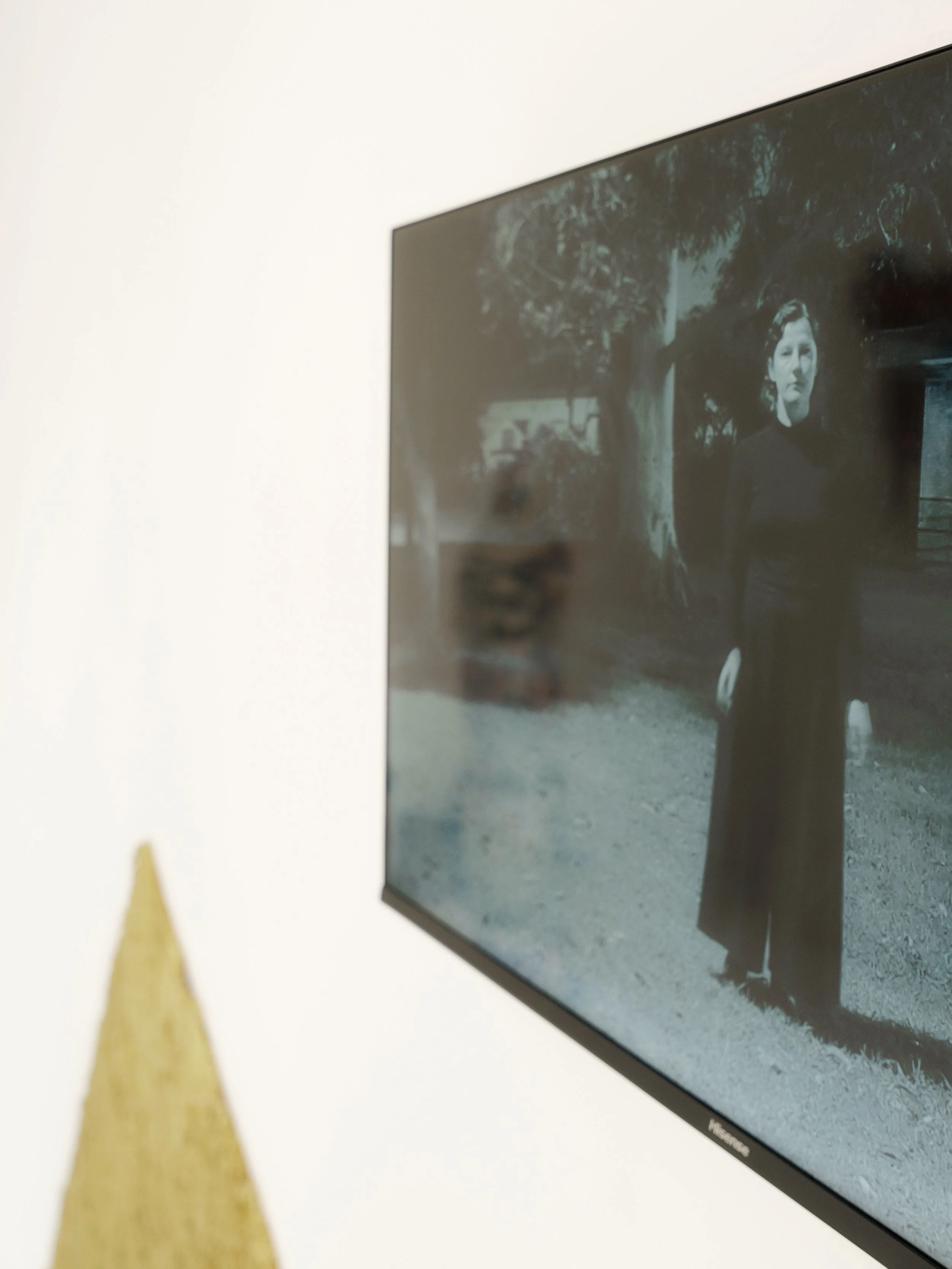
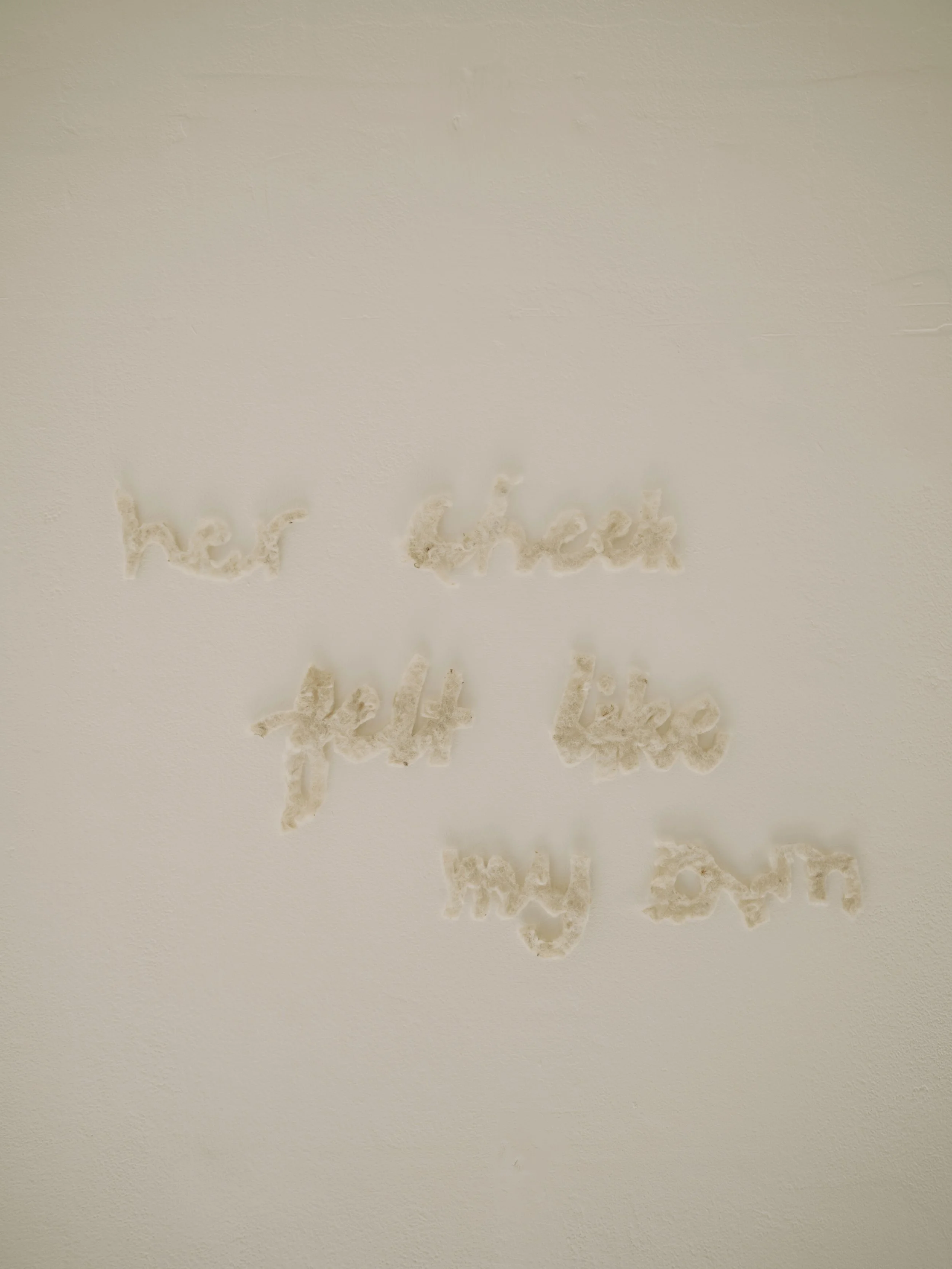
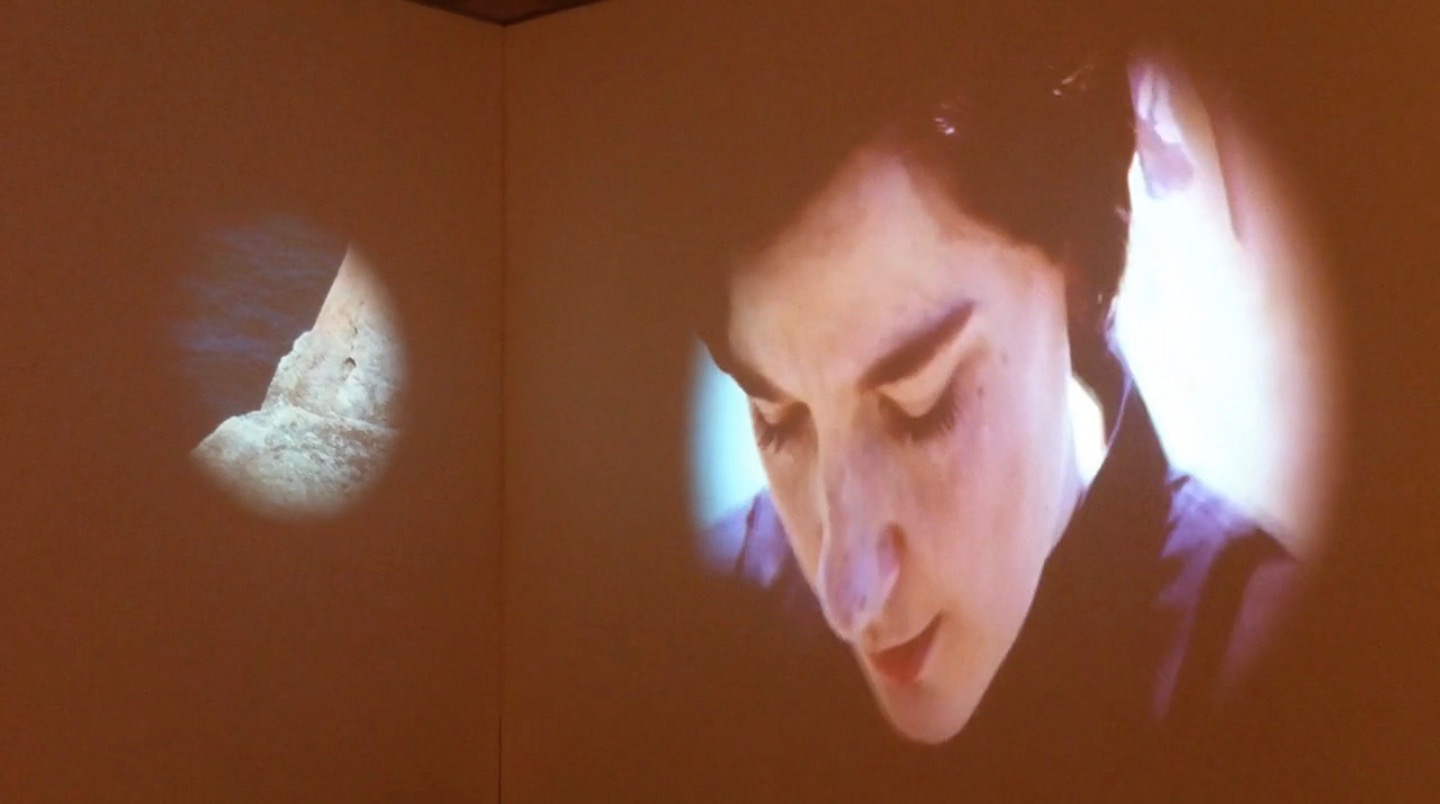
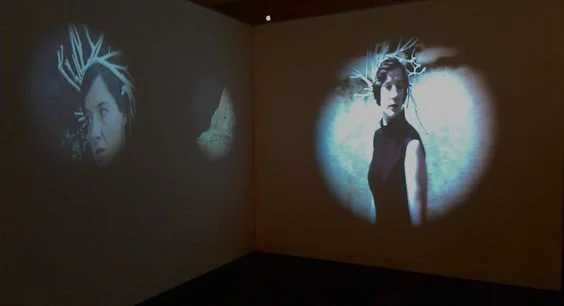
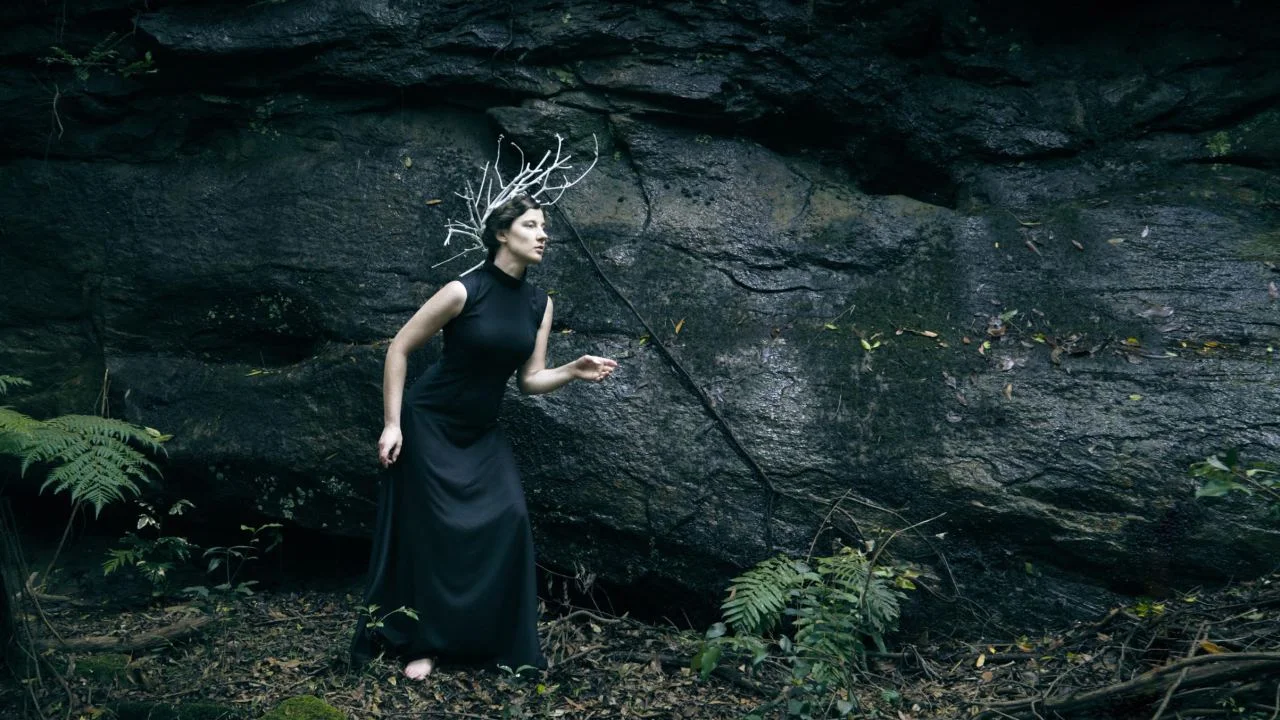
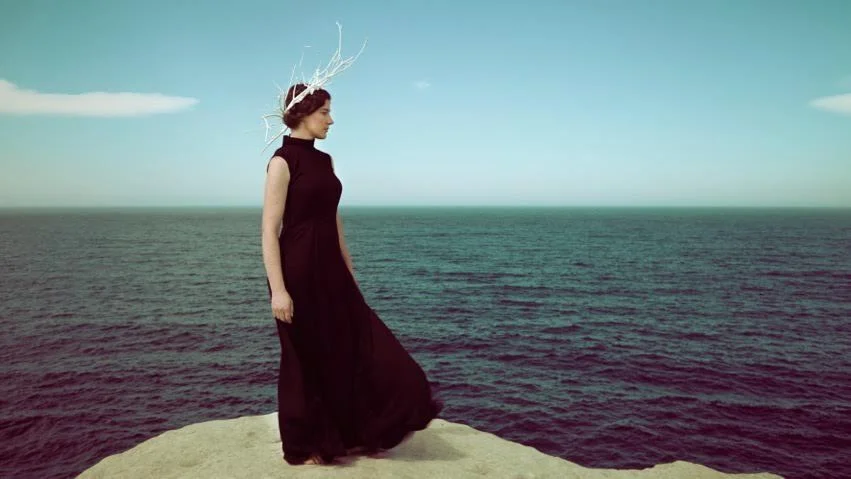
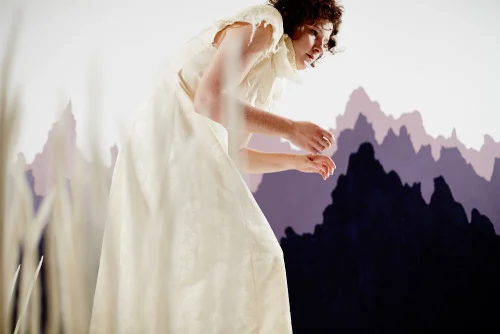
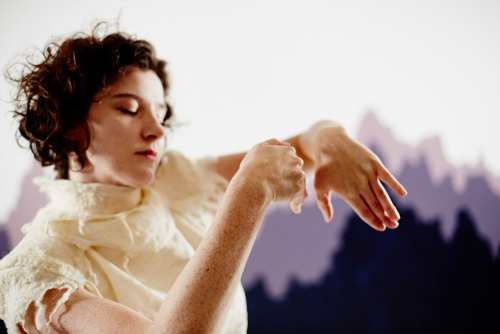
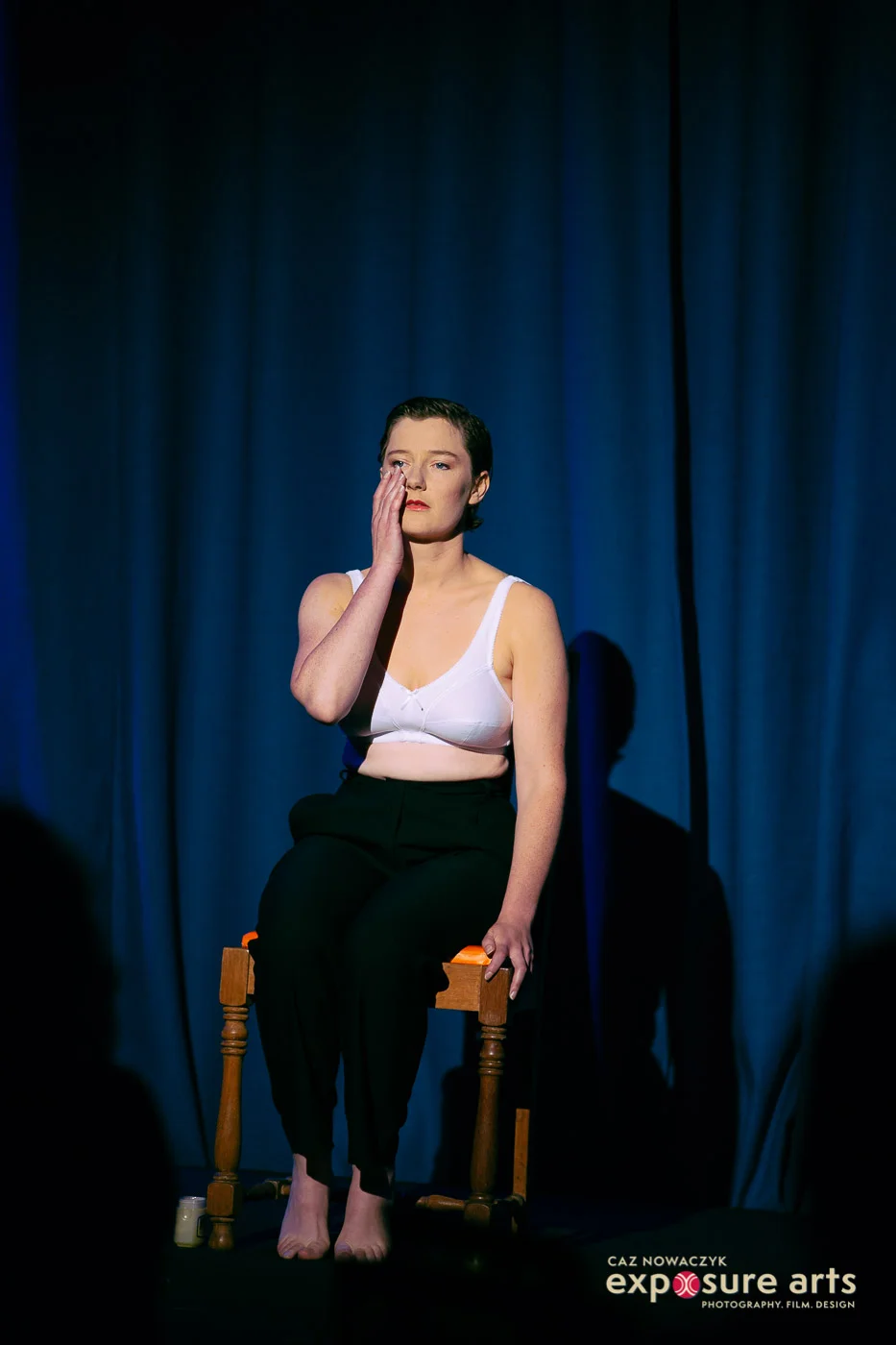
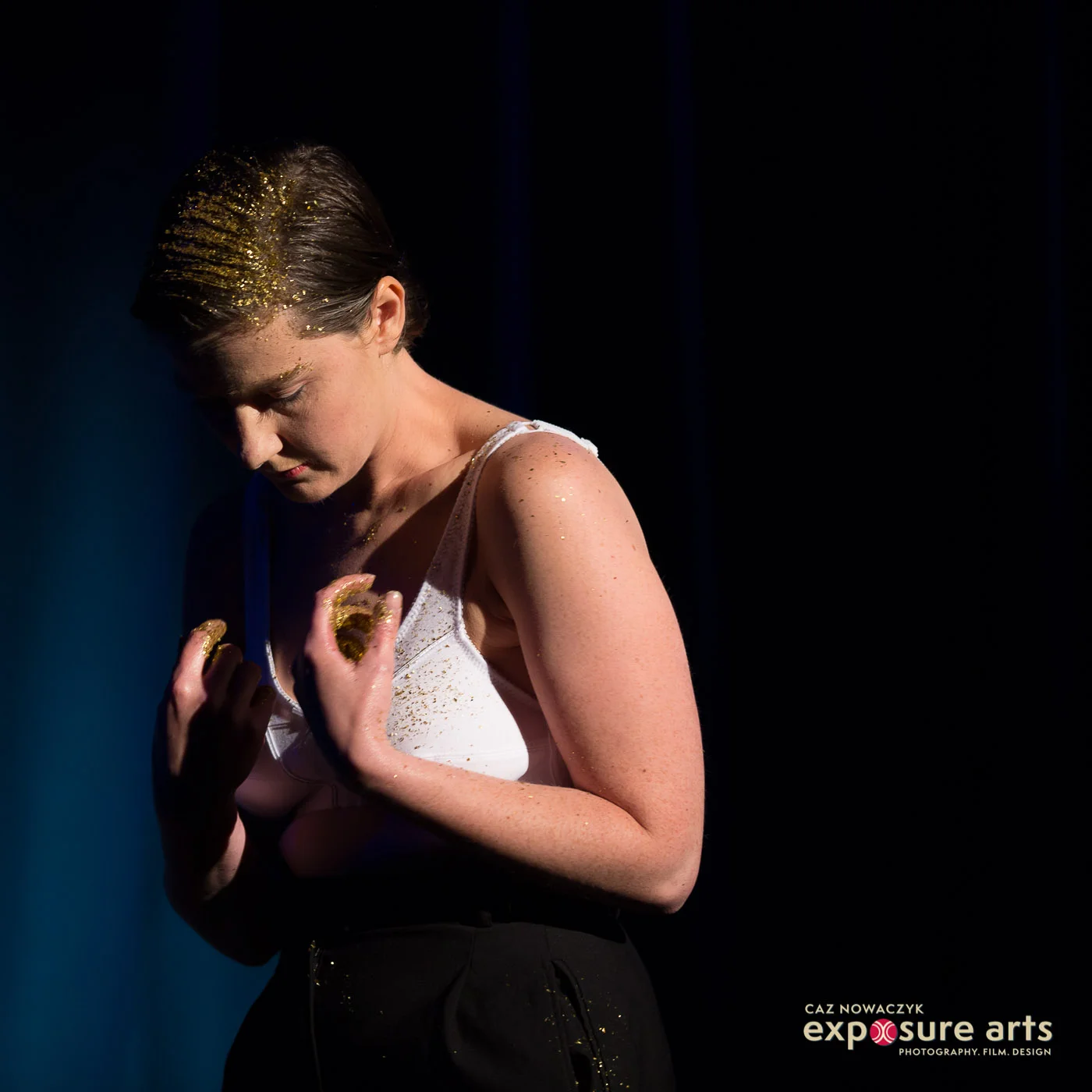
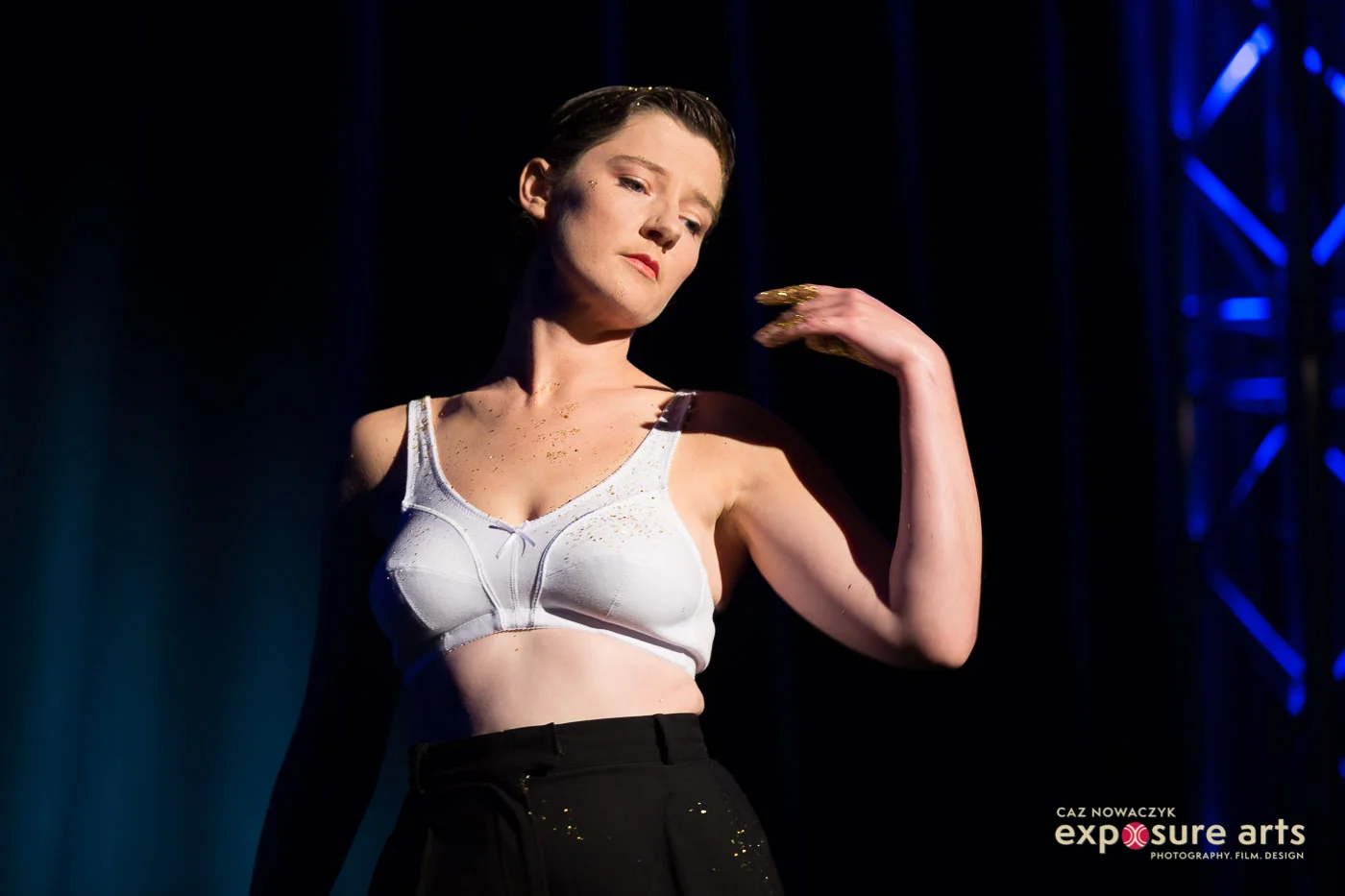
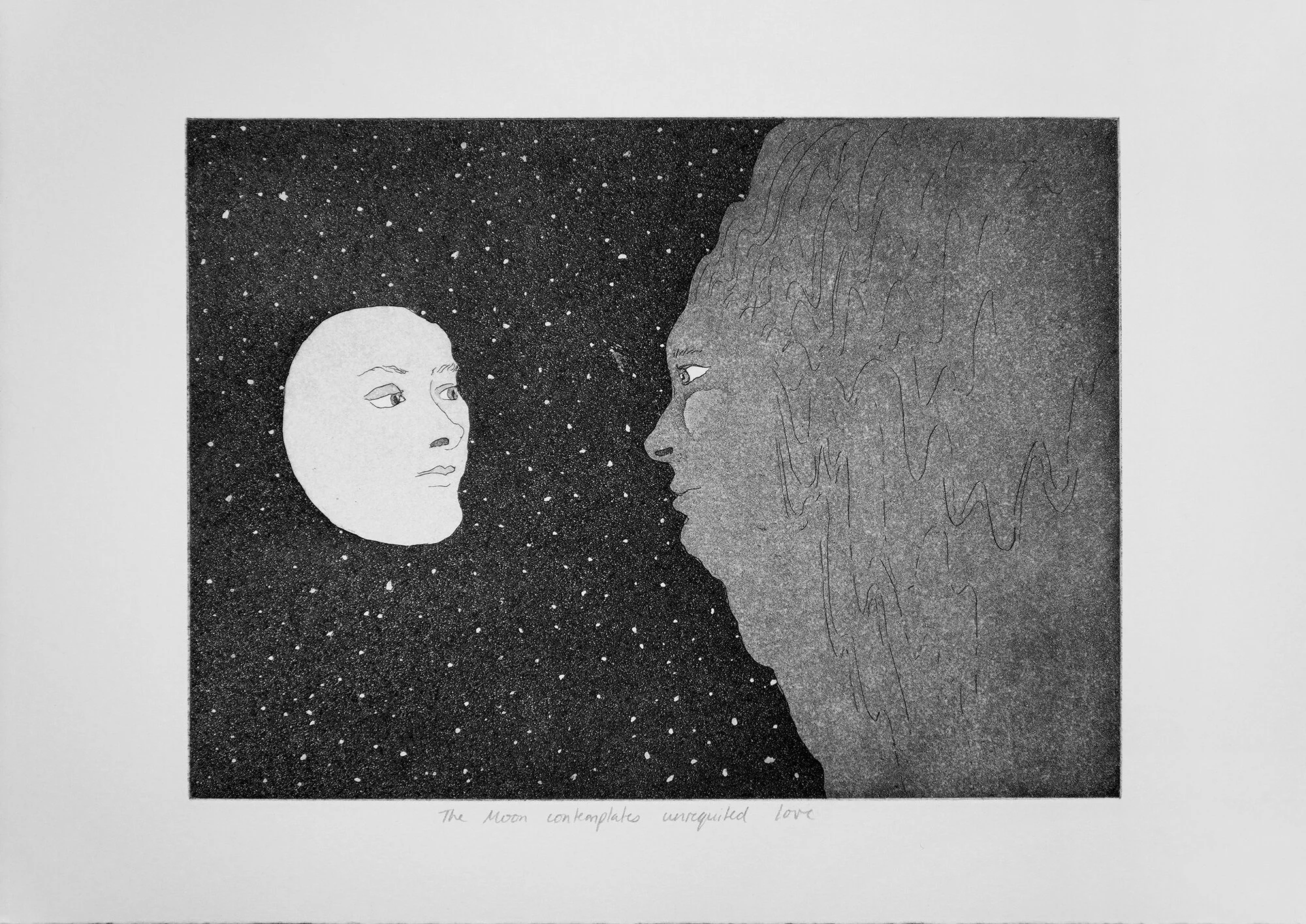
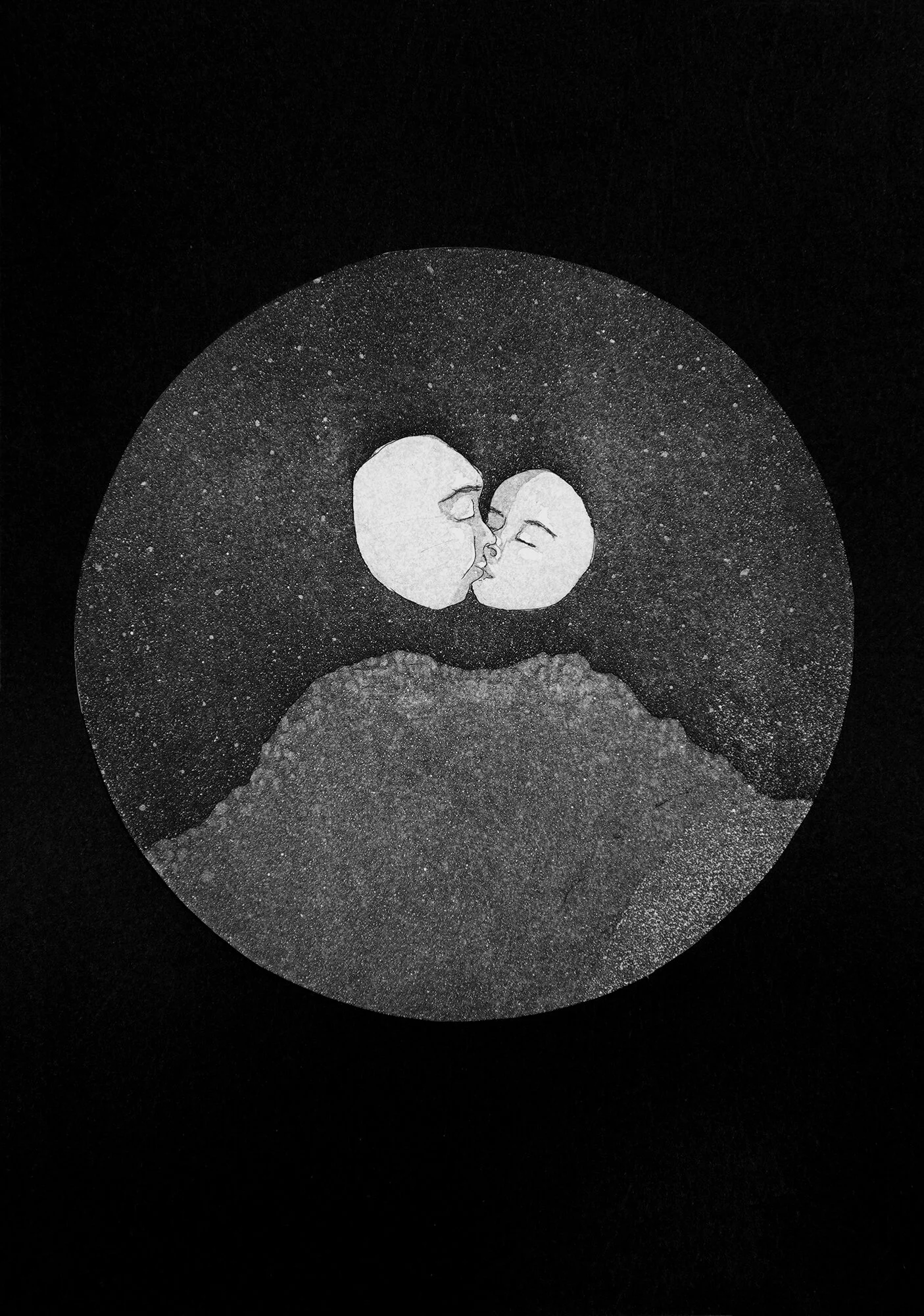
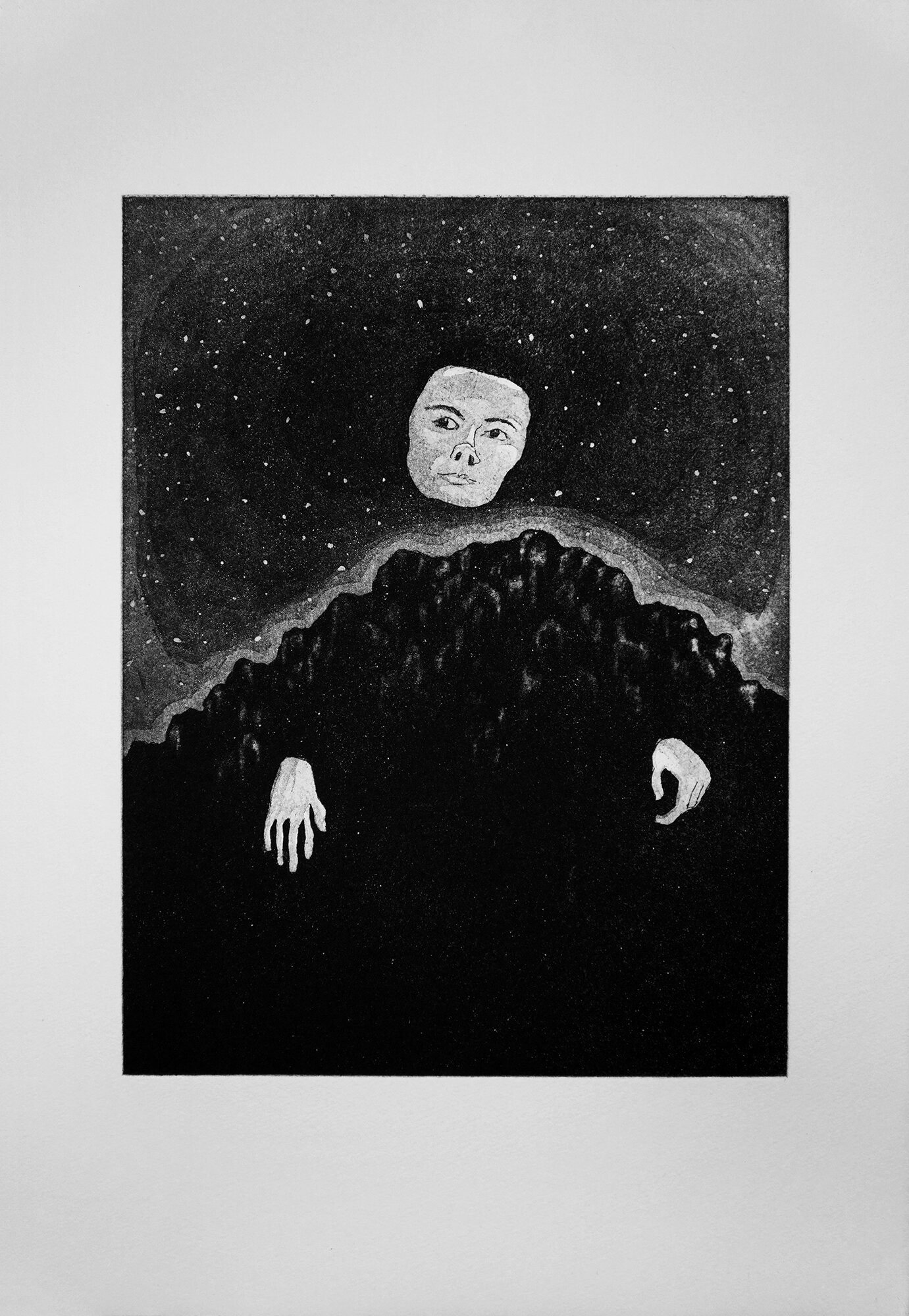
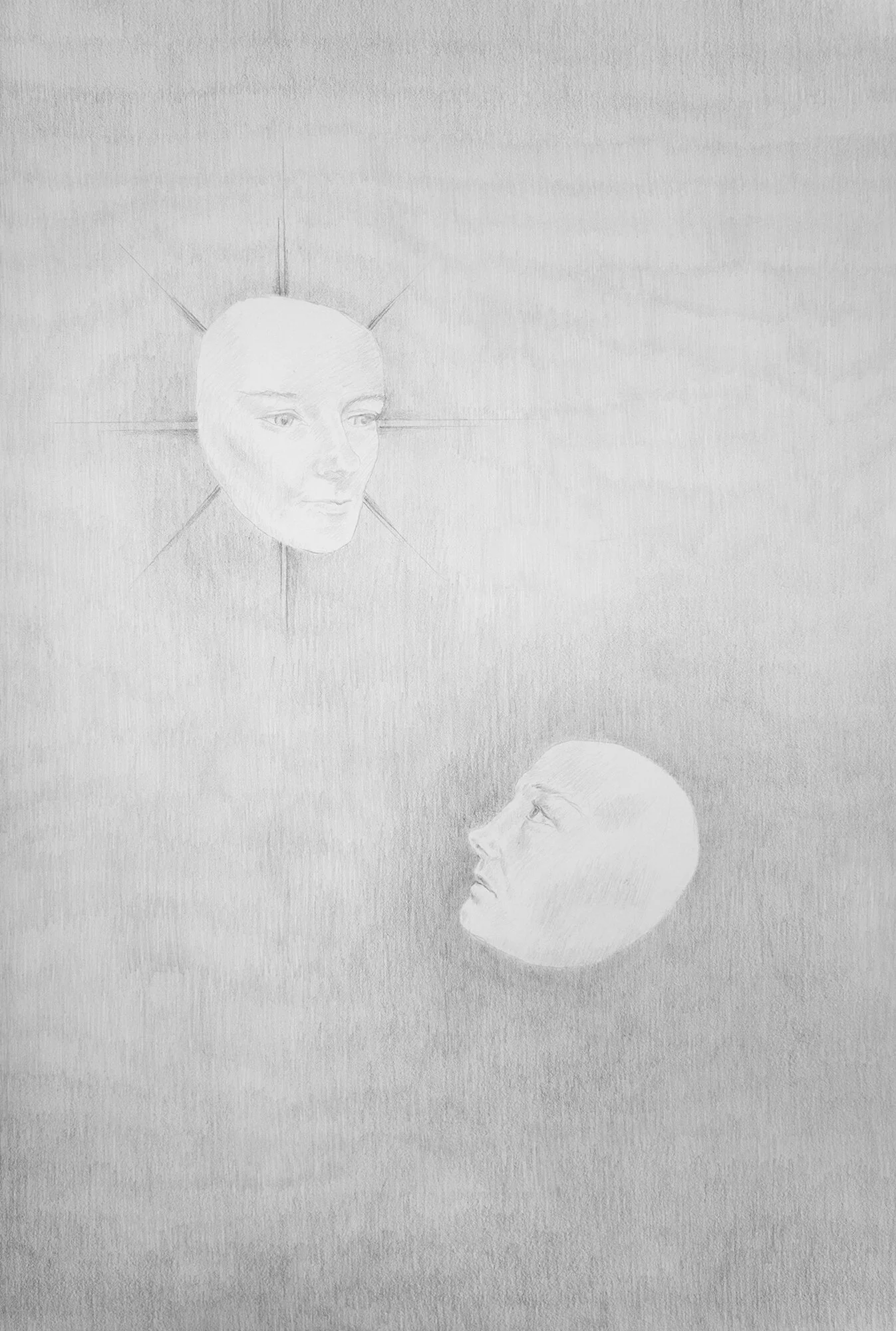
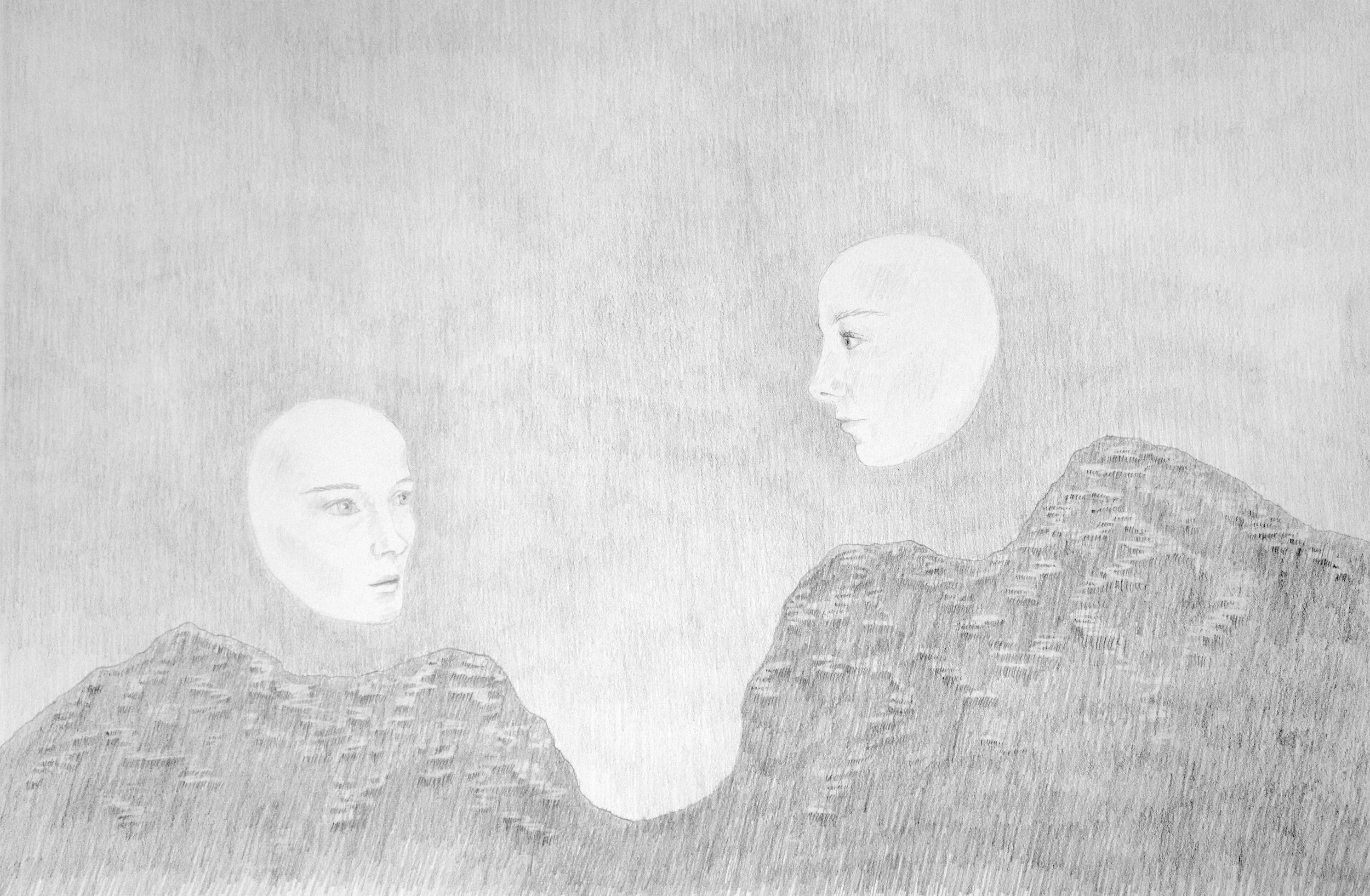
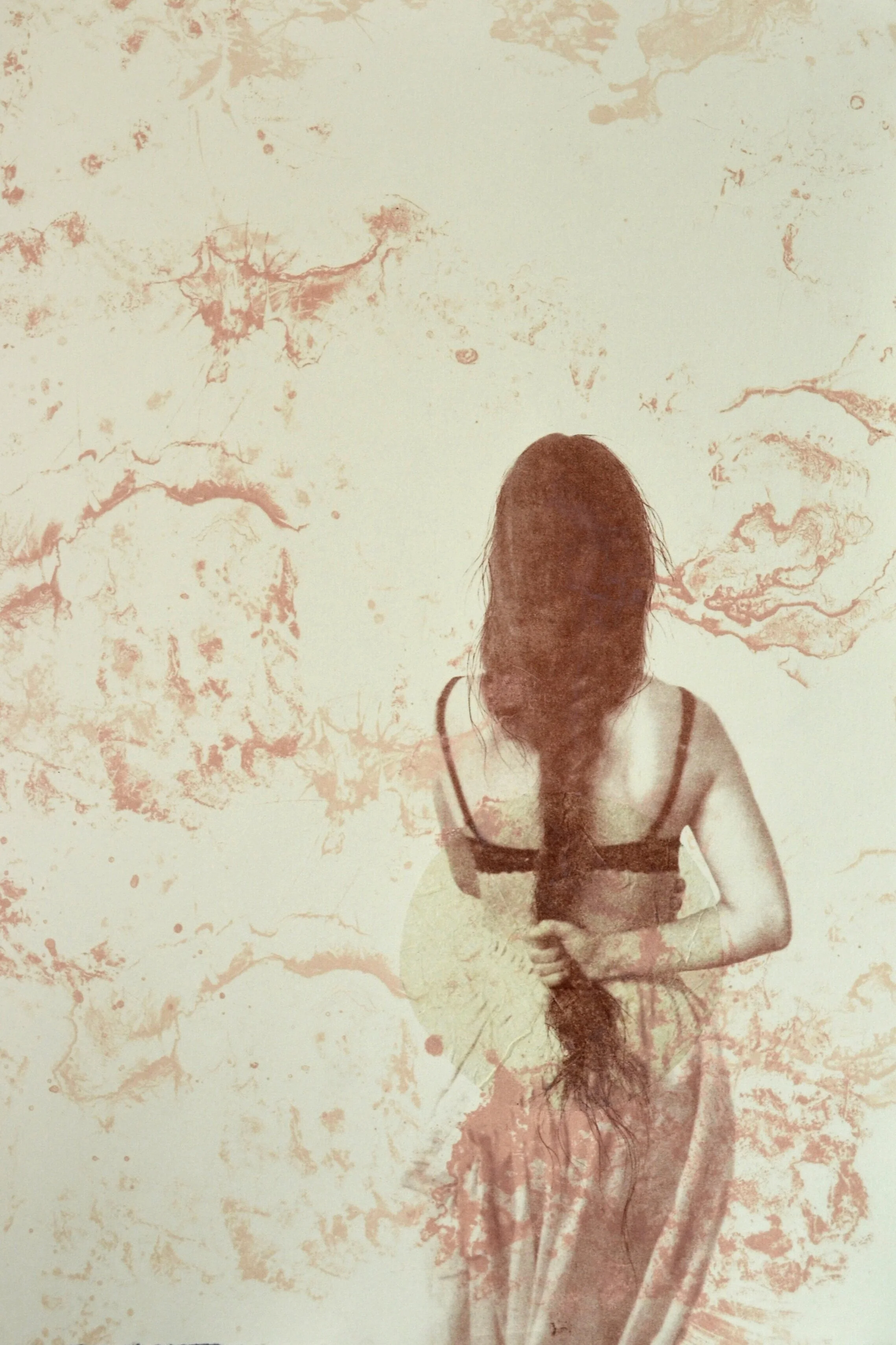
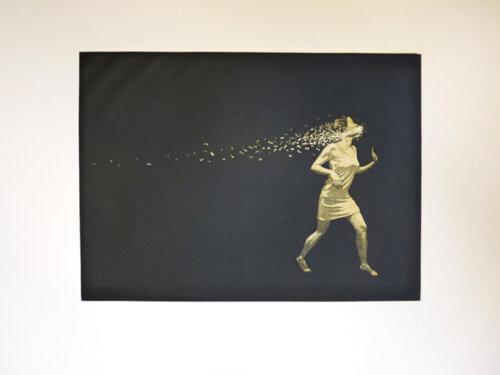
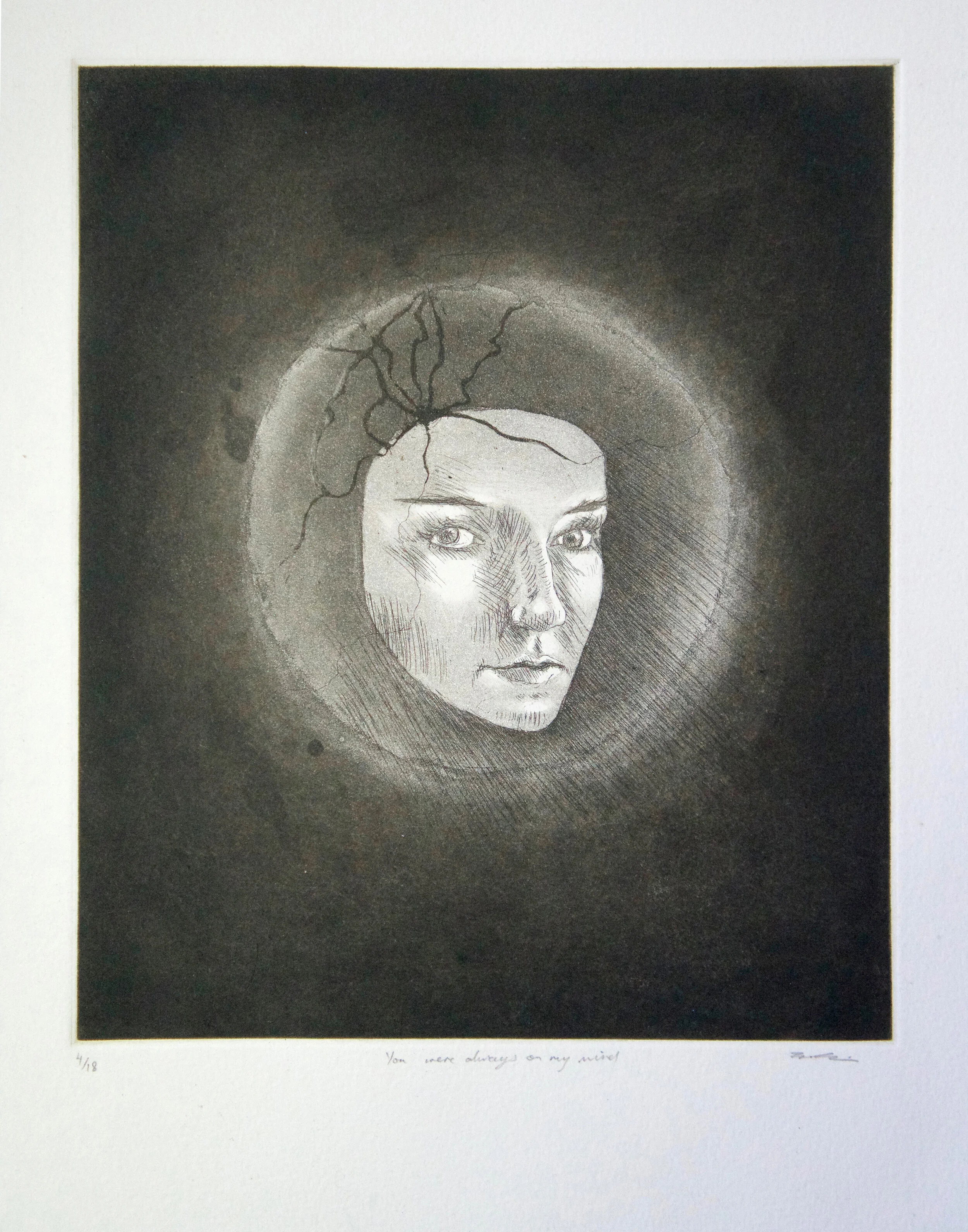
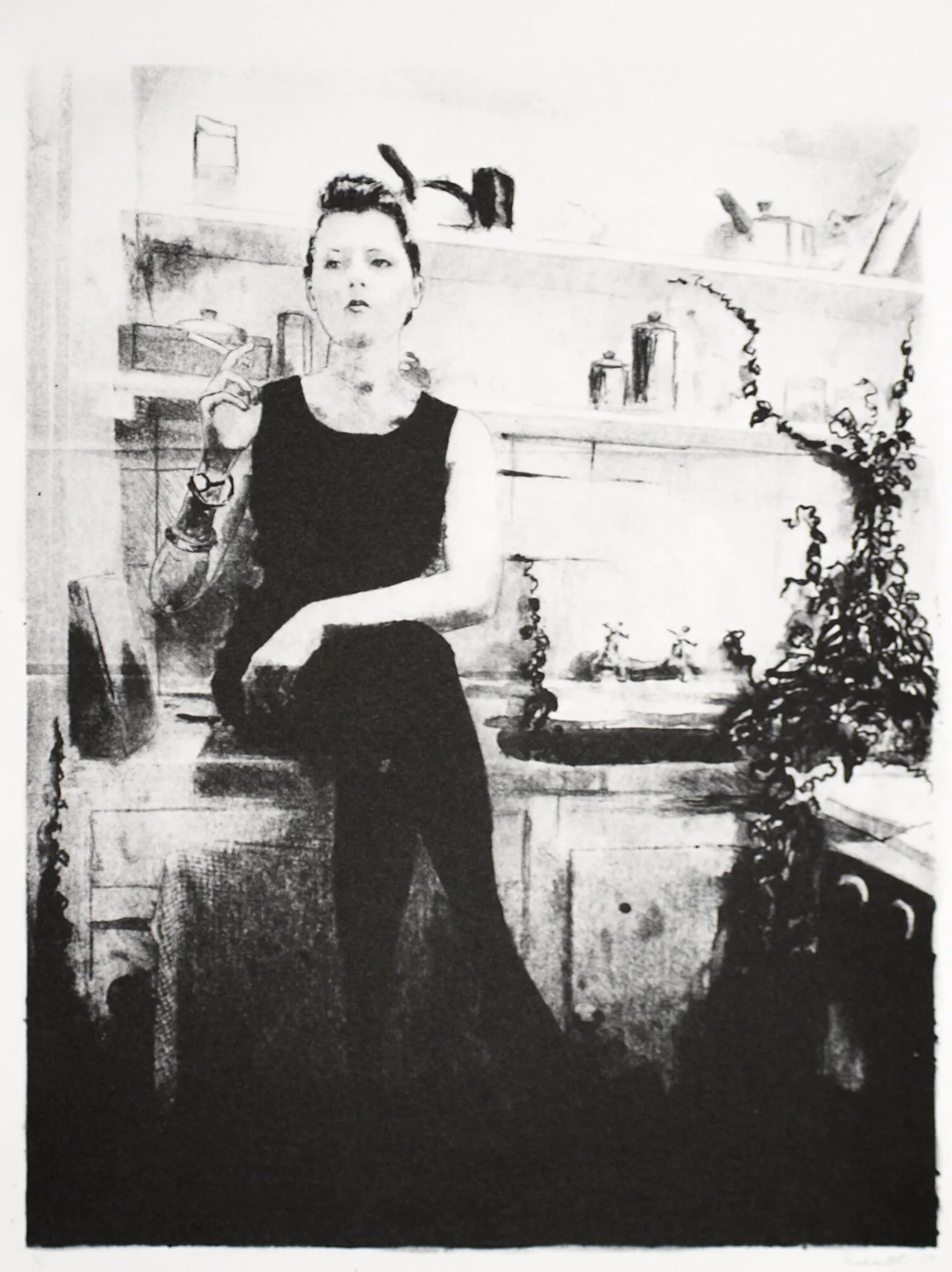
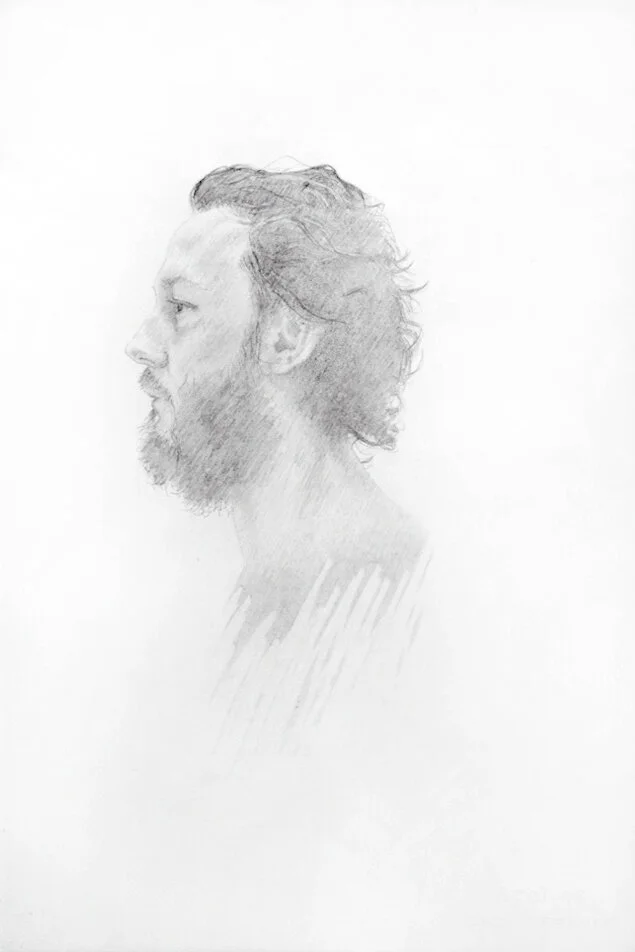
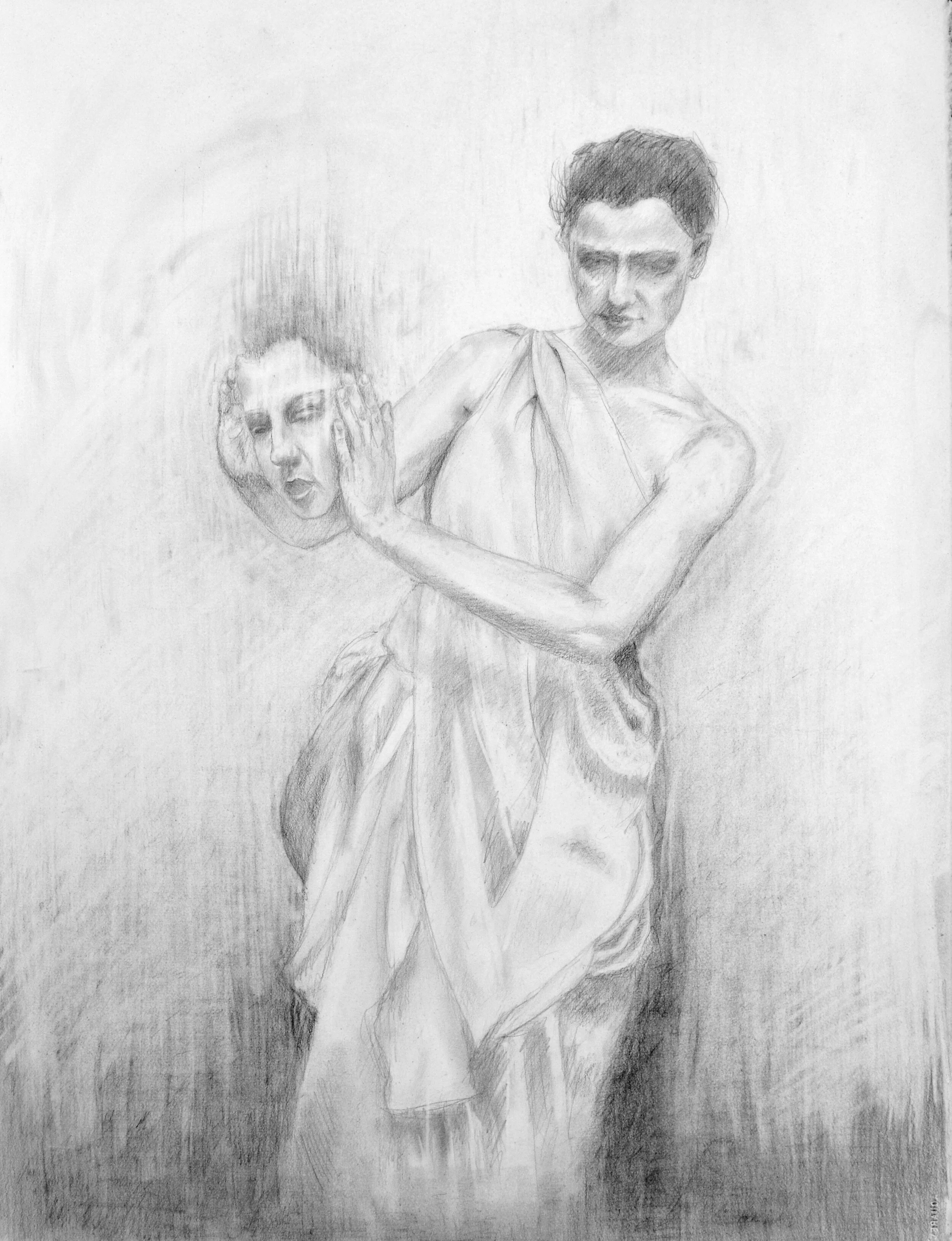
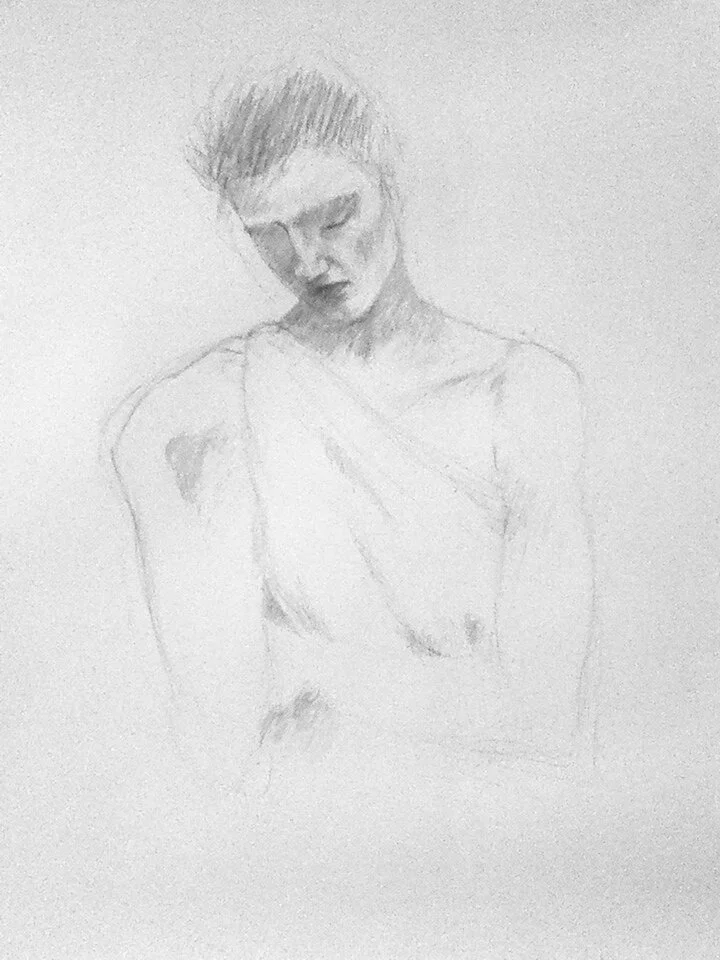
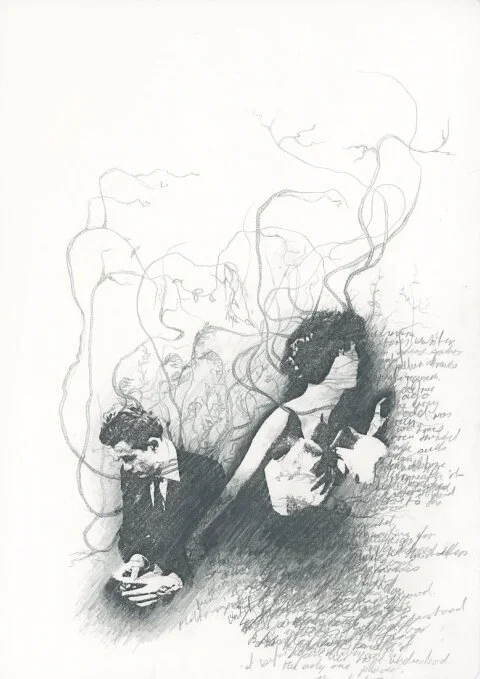
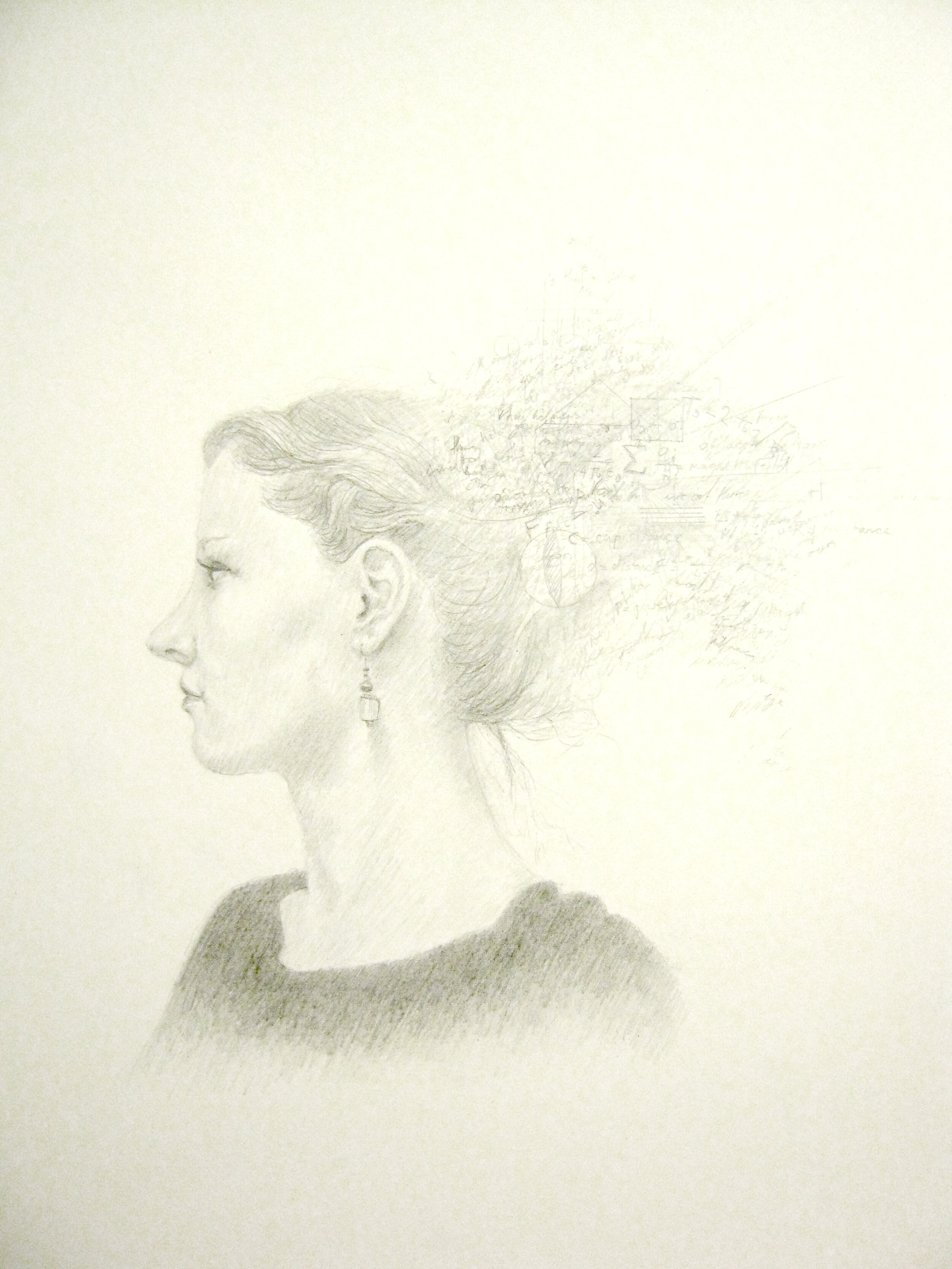
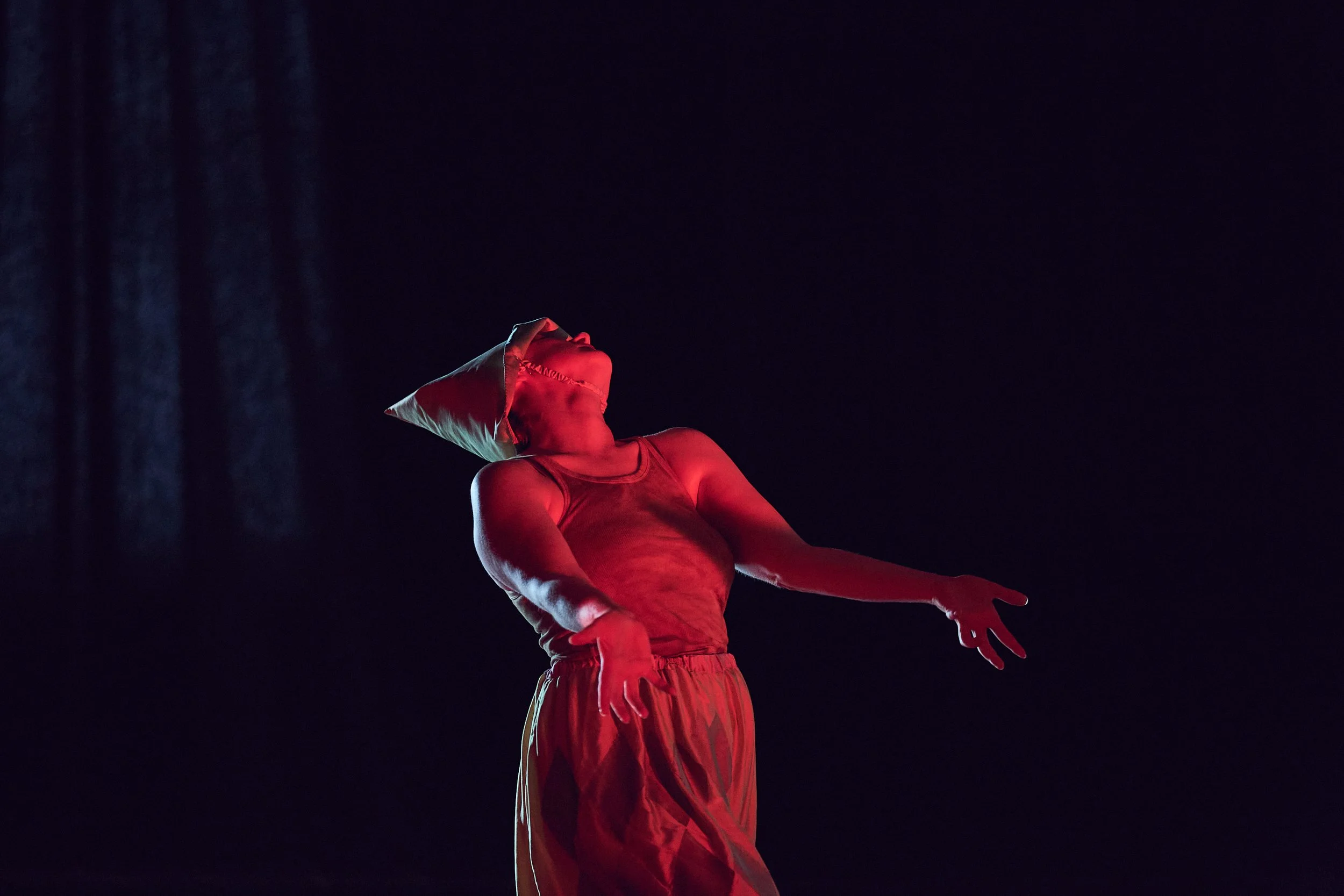
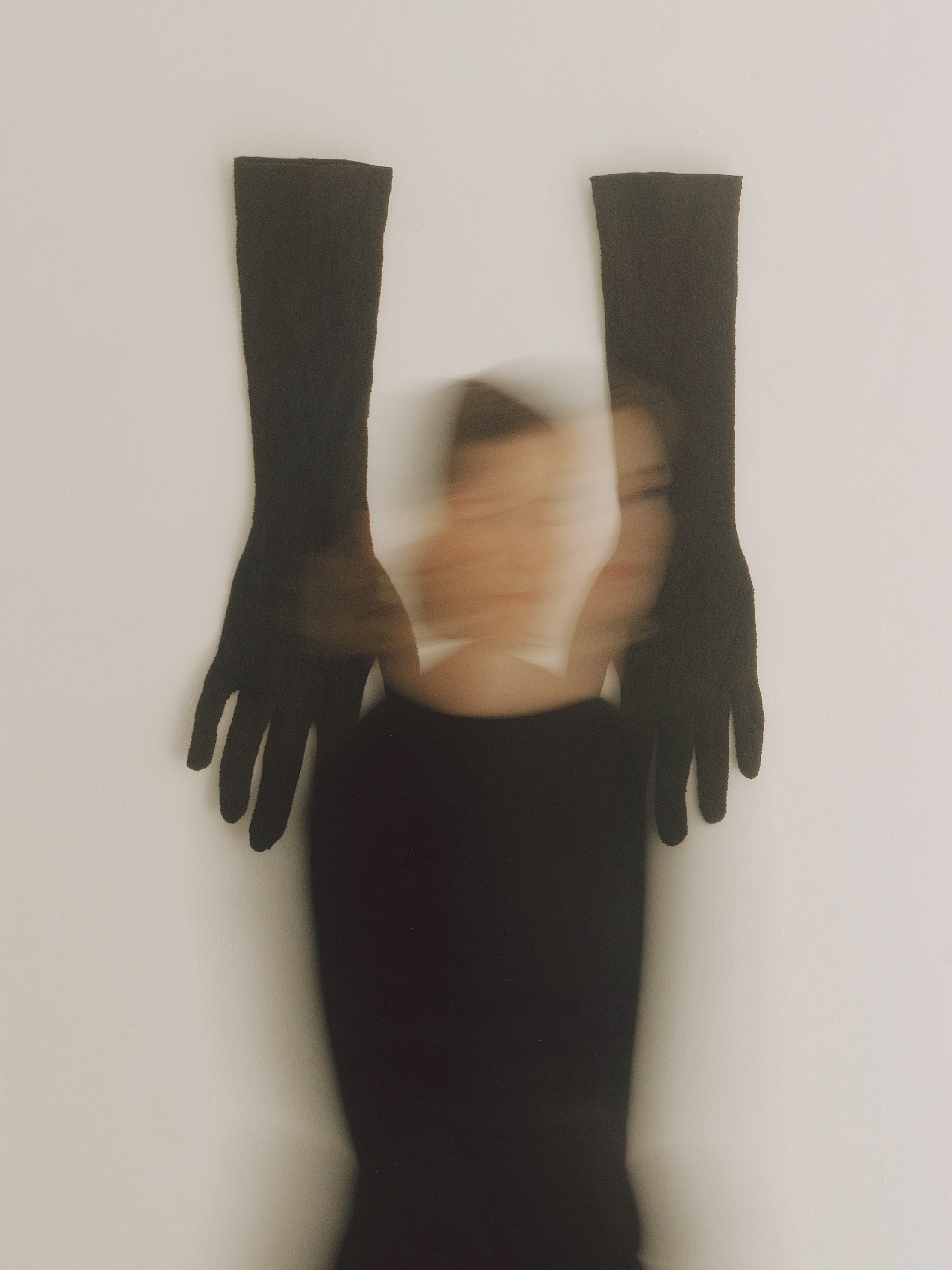
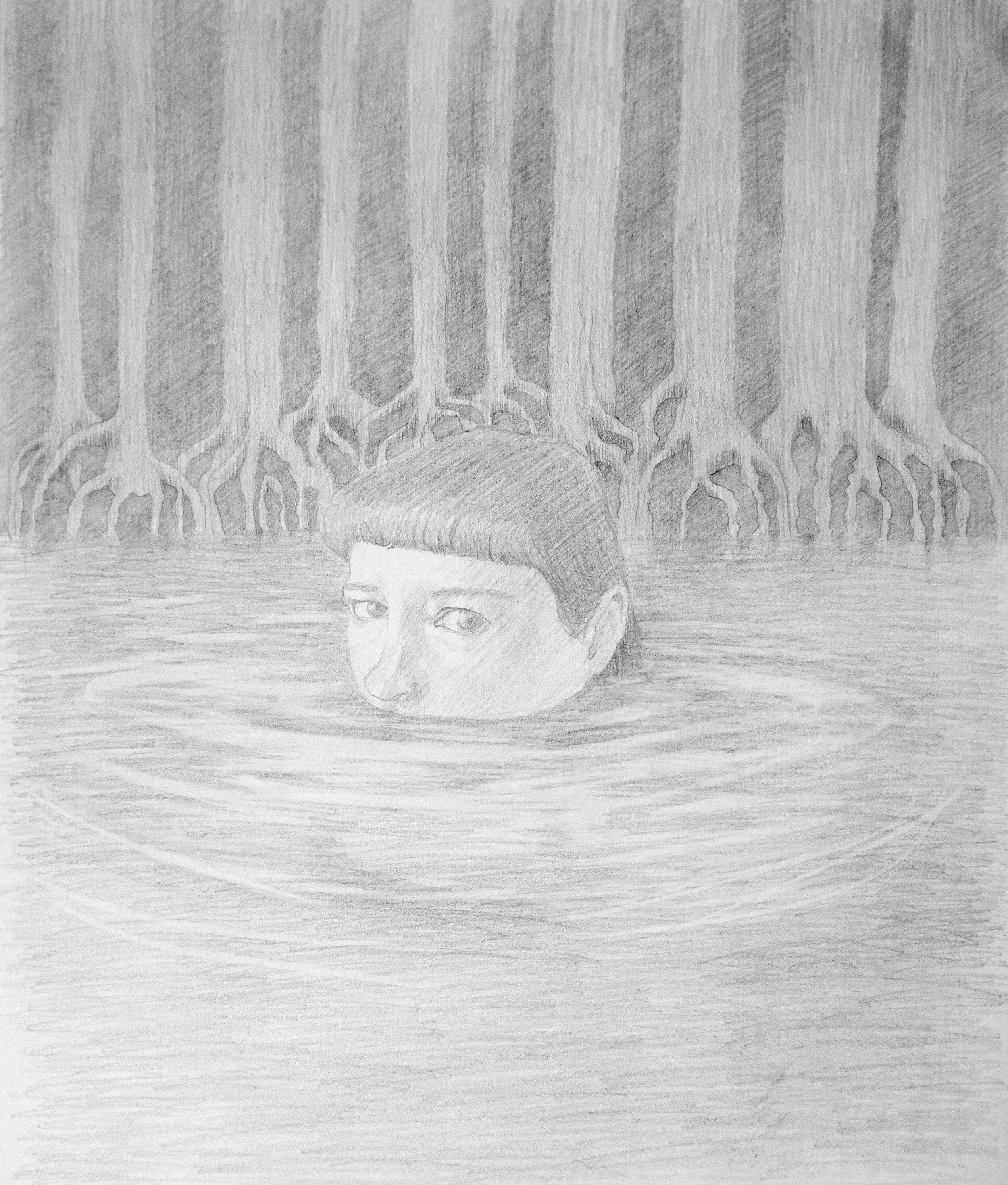
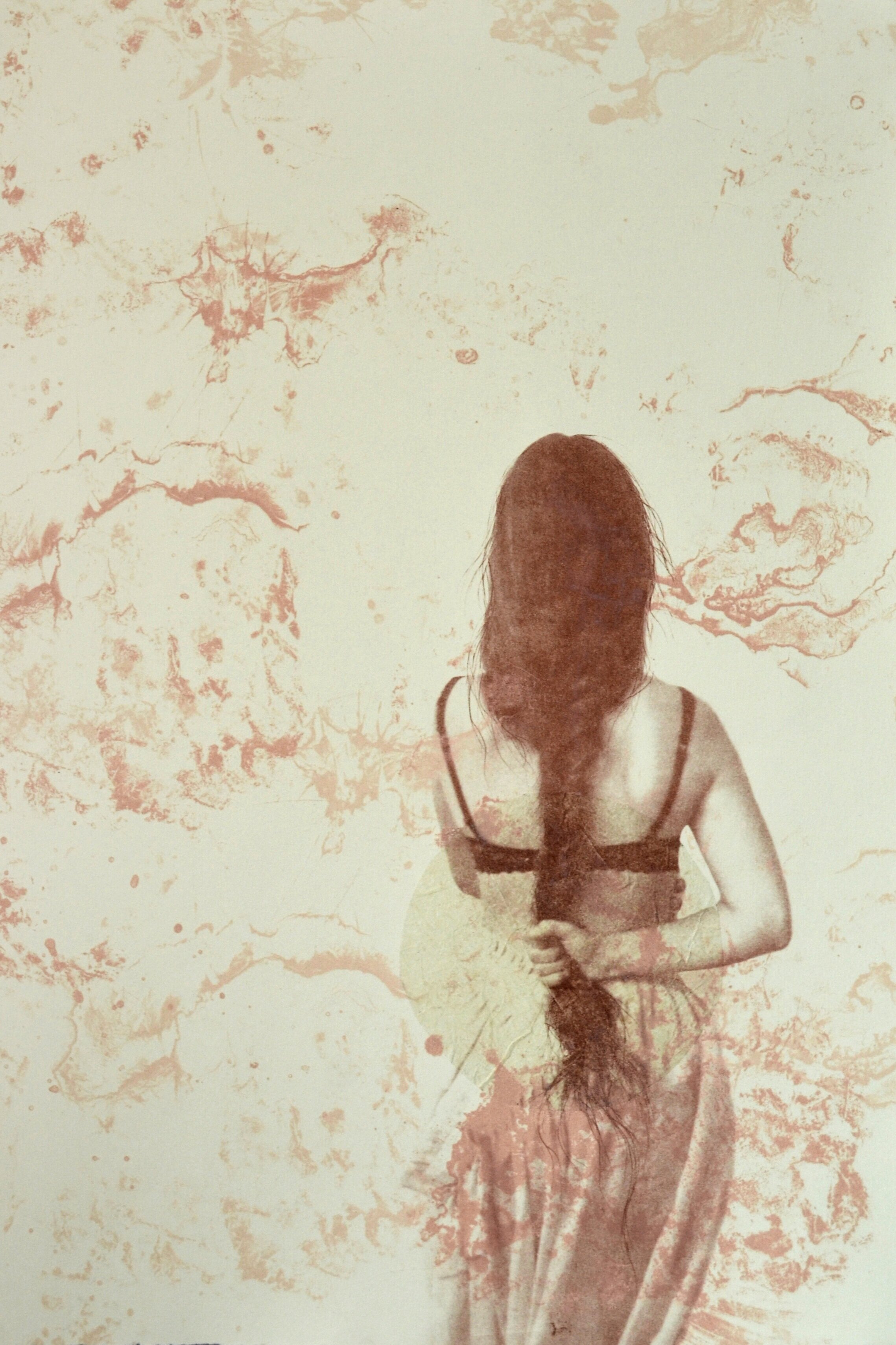
Luna Garden is a performance and installation developed out of a residency at ARCHIVE_ and was a response to spending time in epic landscape in the Chilean Attacama desert.
View here
Exhibition details here
The following is the catalogue essay by Kathleen Linn.
There is something elemental and magical about salt. This comes in part from the intricacy of its crystalline formation, its slightly metallic yet un/pleasant taste and its role in superstition and magic - being thrown over someone’s shoulder to ward off evil spirits. Salt can be seen as an essential substance, not one of the classical elements exactly, but intrinsic to human existence and a substance which the three main Abrahamic religious texts all mention on a number of occasions - as do Buddhist, Shinto and Hindu texts. Salt is used as an offering, to purify and as an essential ingredient in holy water.
Tamara Elkins travelled through the Valle de Luna in Northern Chile in 2013 where she encountered the fascinating salt flats and sand dunes of this region. Formed where ancient lakes once carved the landscape, some parts of this valley have not received any rain for hundreds of years. The salt forms a white crust on the landscape, transforming it into an otherworldly, mystical and strange place.
The organic patterns formed upon the earth by natural processes such as wind on sand dunes or the salt flats created in the Valle de Luna can be profoundly beautiful. To walk through this landscape for Elkins must have been a deeply moving experience, both visually and physically, with the natural power of the earth and the dry, scratchiness of the salt on her skin in the heat.
We interact with our landscape and surrounds in a variety of ways. We travel through it and experience it, we attempt to claim it through taking photographs, composing stories about its formation and historically we have also tried to claim it as a possession. We animate and personify the landscape in multifaceted and culturally specific ways. One of these is to conceptualise the landscape as a woman, as Mother Earth, with a woman’s body and fertility used to draw analogies with the natural world.
Moving through space though, occupying the landscape is something else entirely. The landscape here, historically, is claimed and conquered by, no surprises, a manly, male figure. These ideas also appear in various ways in contemporary life from claiming space, to feeling like you have no space and the associated politics of space which feminism has been exploring for a number of years now.
This well established dichotomy of man as an agent in the landscape affecting it and woman as landscape and the earth itself, static and all body, has been examined by historian Bronwyn Hanna in her work about gendered landscapes. She talks about the landscape being inscribed with representations of gender, including “fertility and reproduction, sexualised beauty and sensuousness…, (masculine) sublime and (feminine) picturesque… genital metaphors (such as projections and caves)…gendered spatial boundaries.”
It is important to bear in mind that in addition to these cultural and societal concepts of space and landscape there are also our own personal projections onto different landscapes, and experiences with the land, which may or may not echo the ideas of Hanna and others. Landscape can be inscribed with very personal narratives. Landscape, both within artistic expression and more broadly within society, in essence, can be conceptualised as a spatial representation of human relationships with nature and this can possibly be intertwined with gender.
Elkins has incorporated performance into her practice for a number of years. When I spoke with her about her work she mentioned her interest in Butoh. Butoh is a form of dance and movement from Japan which emerged in the 1960s. The dancers often cover their bodies in white body paint and make movements in ways that distort the body. They depart from the traditional idea of the beautiful body in movement by stripping away socially acceptable movements and gestures of contemporary dance and presenting a dance that reflects upon the more natural movements of the body, an honesty in movement. A strange and slightly disturbing form of beauty, or a beauty within imperfection or even disfigurement, pallor and distortion is created in these movements of the body.
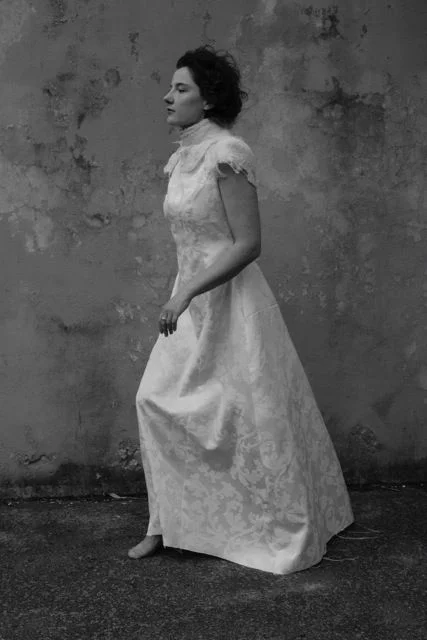
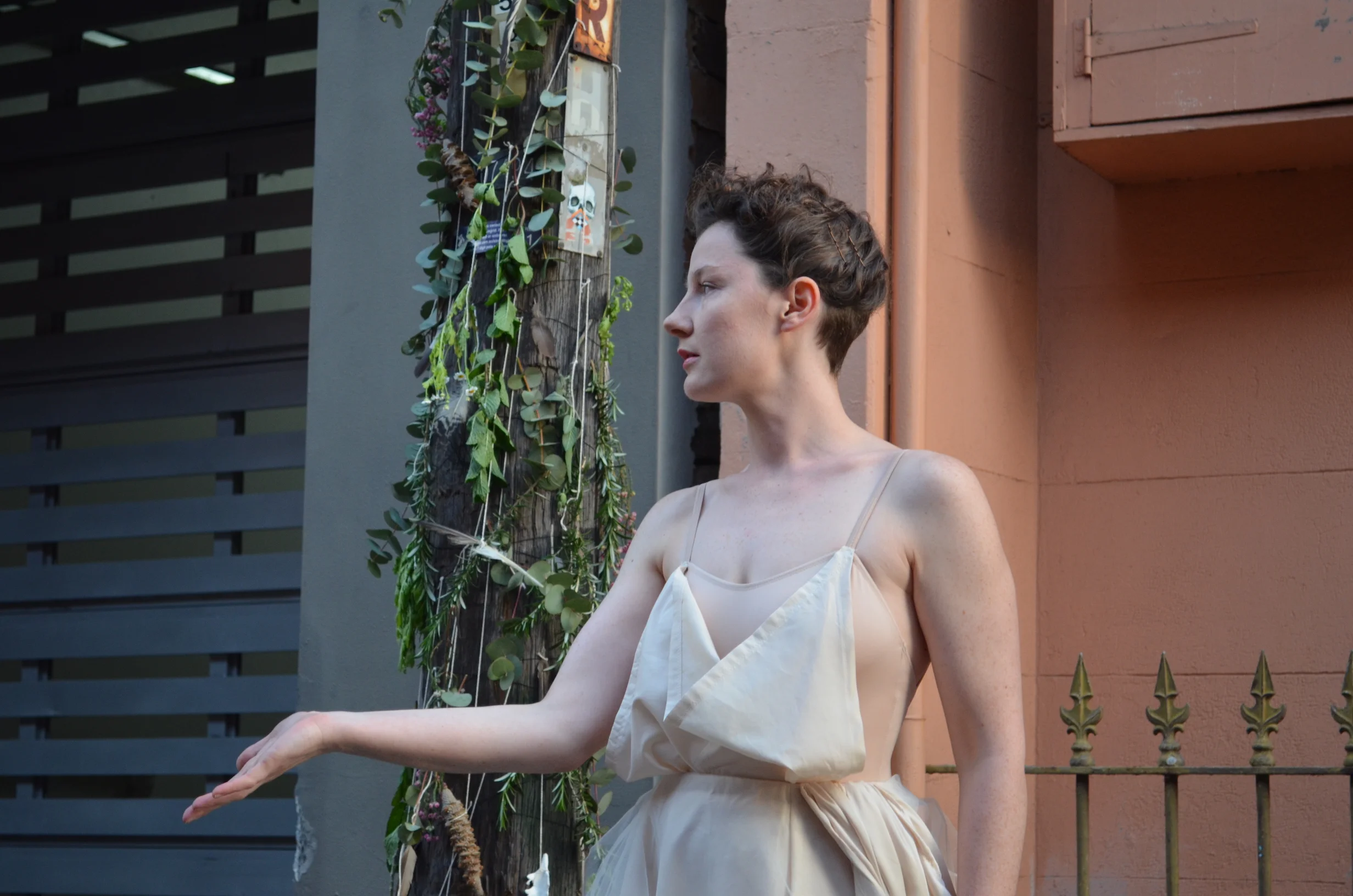
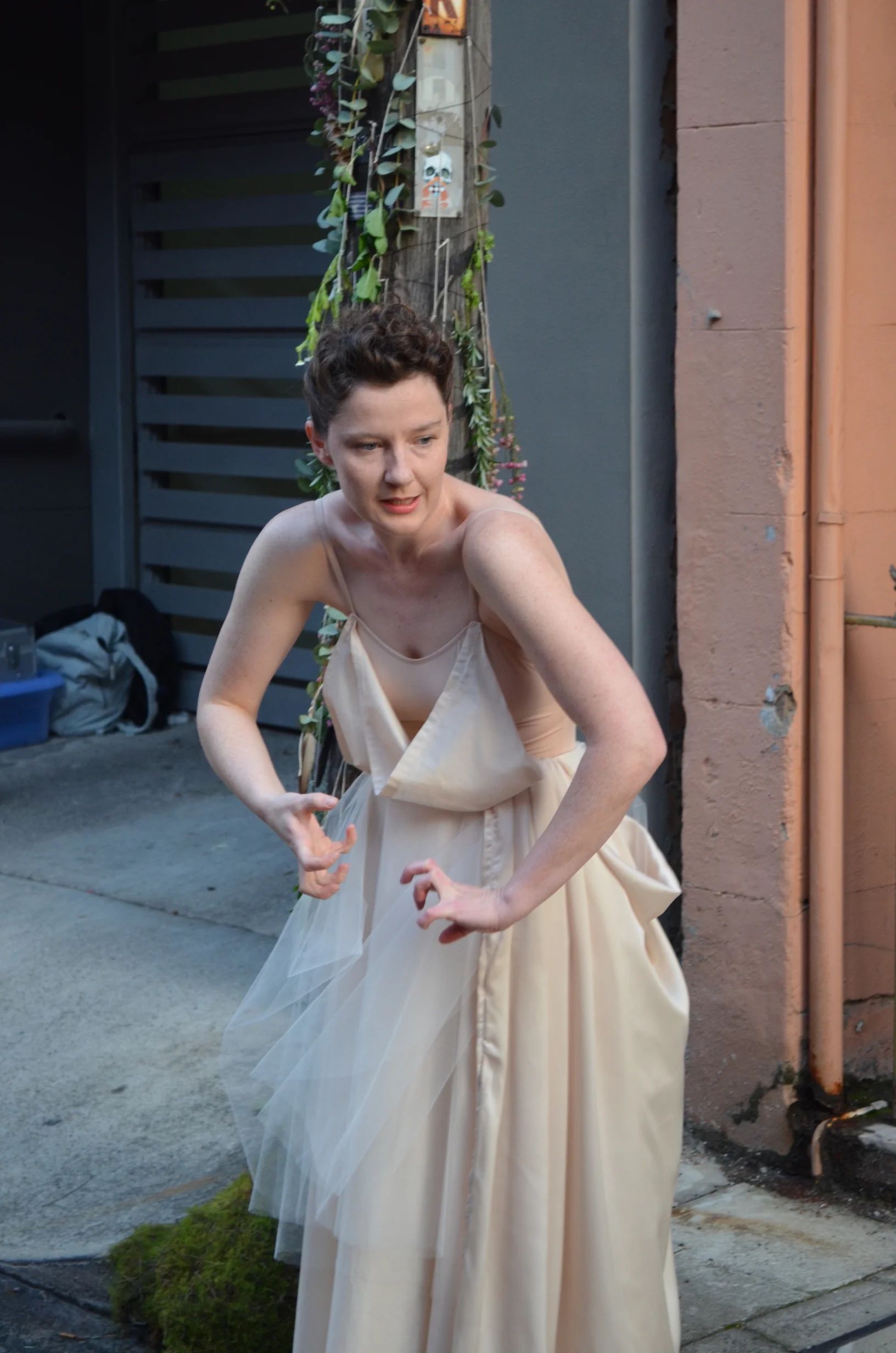
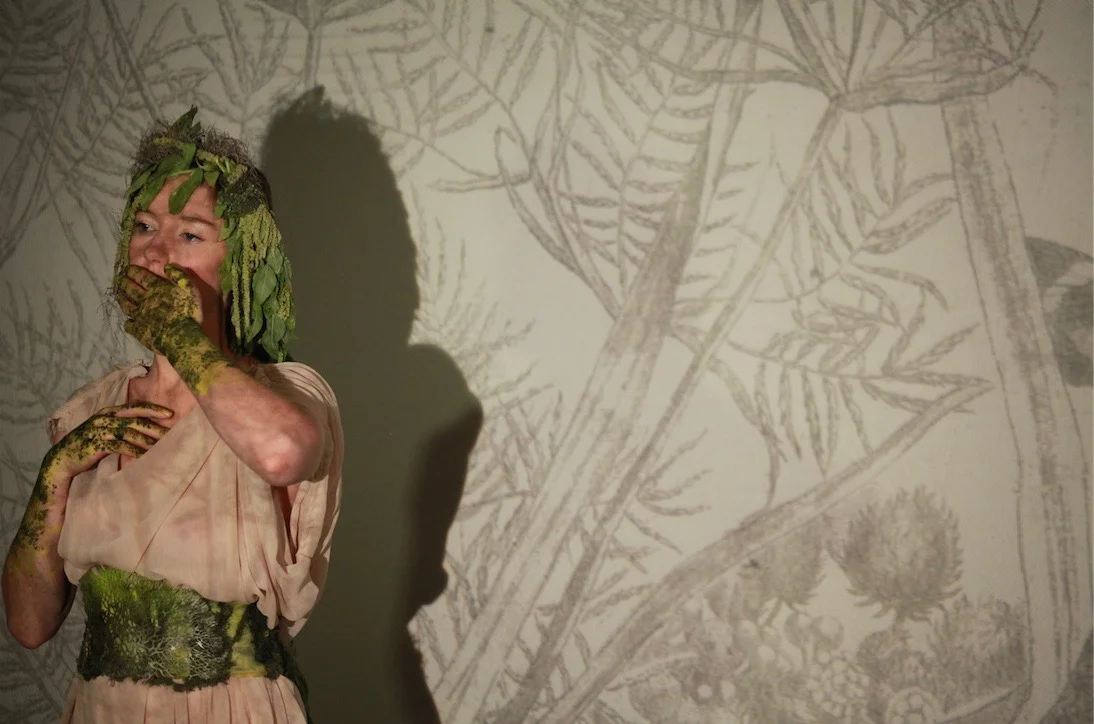
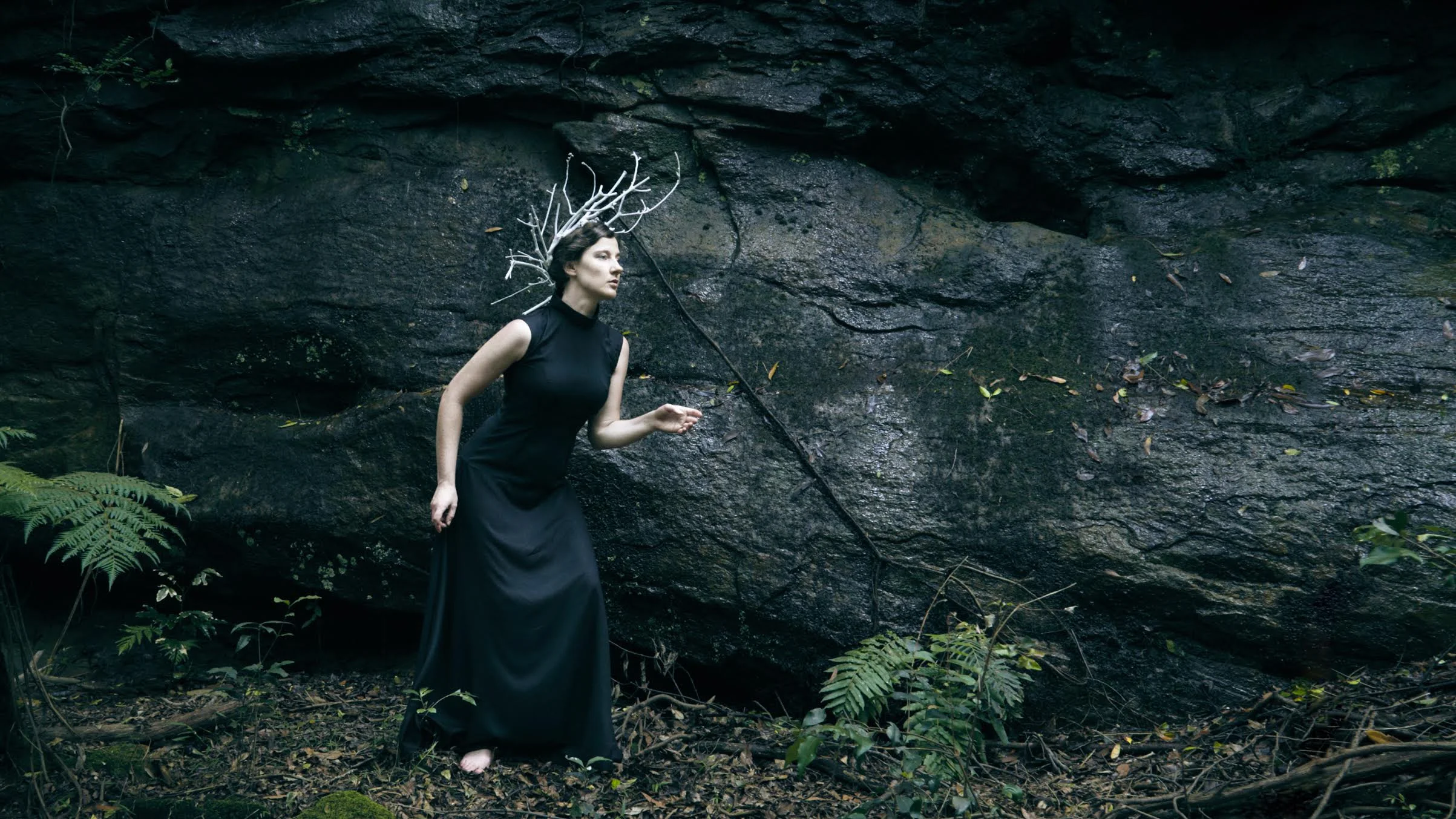
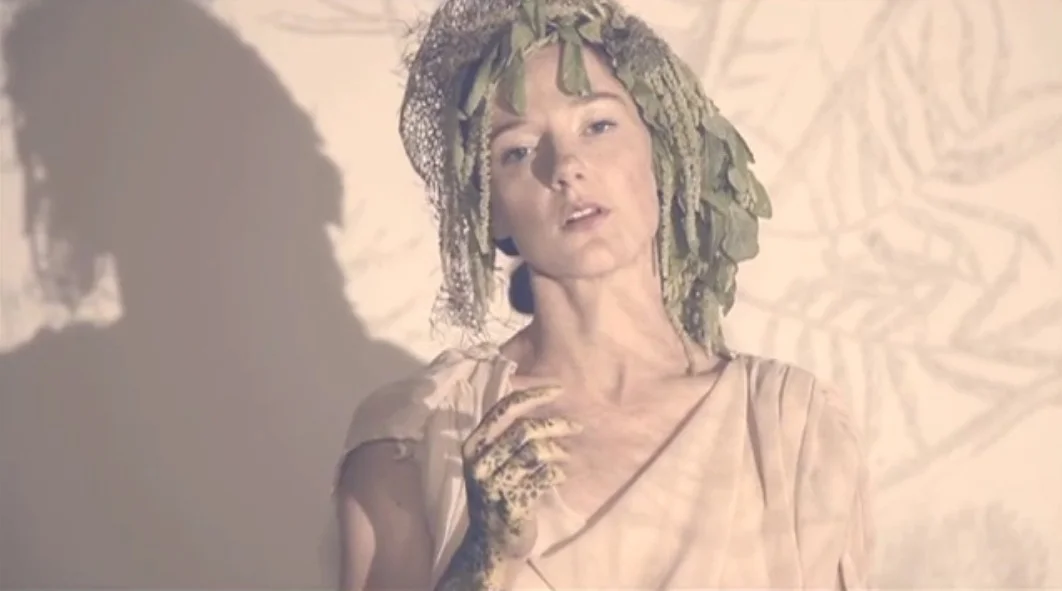
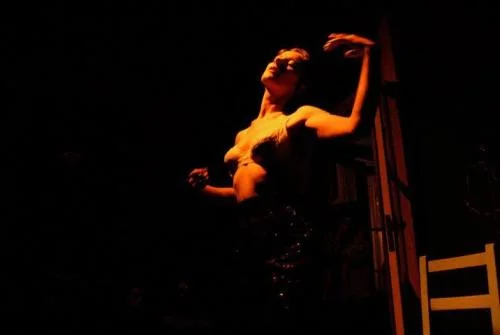
For Luna Garden in Archive Space’s Darkspace Elkins has created a lunar landscape and will be presenting a performance each day that the exhibition is open. She will be present in the space, active and affective in the landscape, her performance habitat. Installed on the gallery floor are island like, wooden landforms created by Elkins. They evoke stepping stones with their bleached, white colour and craggy sides like the topography of an island. Organic, felted plants or stems grow out of them, as do hands with white powder covering the gallery floor.The space of the moon is often seen as feminine with its links to fertility. As children we are introduced to Old Man Moon or The Man in the Moon in nursery rhymes. The landscape of the Valle de Luna gives way to otherworldliness and disjuncture as we project the space of the moon onto the space of the desert. The salt is transformative, the white body paint of the Butoh dancers is also transformative, mysterious and otherworldly. There is beauty created within this otherworldliness. The changing shape of the moon can represent the cyclical nature of the universe with the lunar space conjuring ideas of boundlessness, a limitlessness of the universe and a place out of our concept of time, at once ancient but here and now in the present.
By Kathleen Linn
Hanna, B., 2003, Re-gendering the landscape in New South Wales, commissioned for Gendered Landscapes Project in the Cultural Heritage Division of the NSW National Parks & Wildlife Service. p: 6